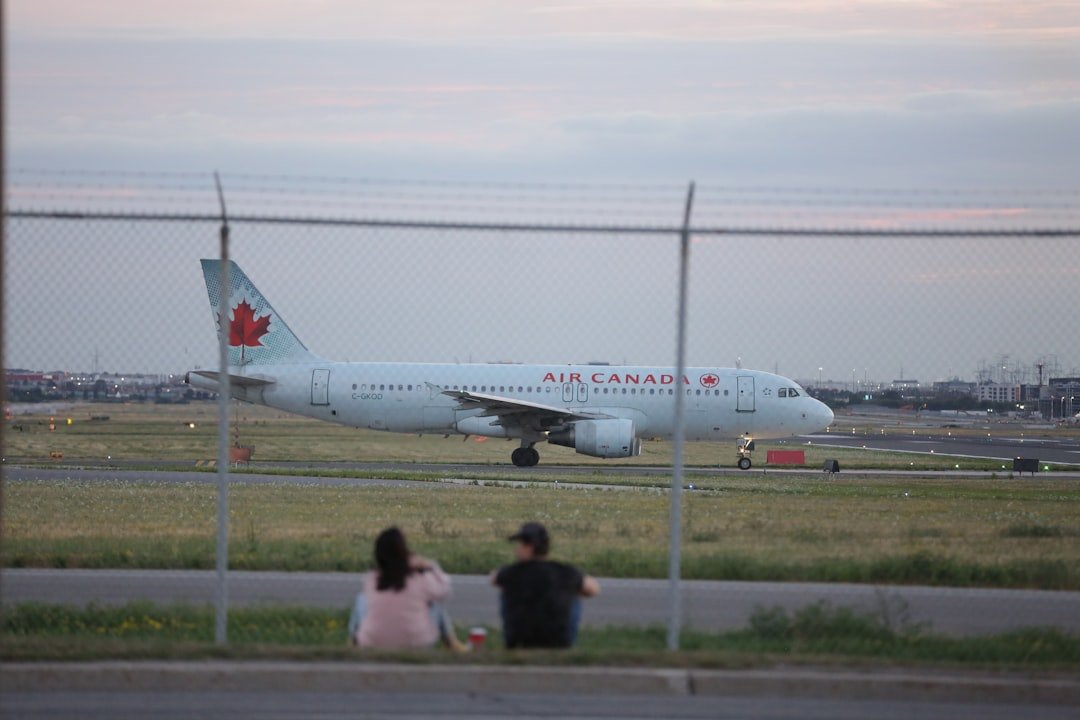
Air Canada, as one of the largest airlines in North America, operates under a comprehensive set of protocols designed to ensure passenger safety and operational efficiency. Among these protocols, the emergency landing procedures stand out as critical components of the airline’s operational framework. These procedures are meticulously crafted to address a variety of potential in-flight emergencies, ranging from mechanical failures to medical emergencies, and even severe weather conditions.
The airline’s commitment to safety is reflected in its continuous evaluation and enhancement of these protocols, ensuring that they meet or exceed industry standards. The emergency landing protocol encompasses a series of well-defined steps that pilots and crew must follow in the event of an emergency. This includes assessing the situation, communicating with air traffic control, and executing a safe landing at the nearest suitable airport.
The protocol is not merely a checklist; it is a dynamic system that requires real-time decision-making and coordination among various stakeholders, including ground support teams and emergency services. Understanding the intricacies of these protocols is essential for grasping how Air Canada prioritizes passenger safety in all aspects of its operations.
Key Takeaways
- Air Canada’s emergency landing protocol is a crucial aspect of ensuring passenger safety and minimizing risks during unexpected situations.
- Emergency landing preparedness is essential for Air Canada to effectively respond to potential in-flight emergencies and ensure the safety of passengers and crew.
- Pilots and flight crew play a critical role in executing emergency landing procedures and maintaining calm and effective communication with passengers.
- Effective communication and coordination among the flight crew, air traffic control, and emergency response teams are vital during an emergency landing.
- Passenger safety and evacuation procedures are carefully designed and practiced to ensure a swift and organized evacuation in the event of an emergency landing.
The Importance of Emergency Landing Preparedness for Air Canada
Investing in Training, Technology, and Infrastructure
Air Canada’s commitment to preparedness is evident in its investment in training, technology, and infrastructure designed to support emergency operations. Preparedness extends beyond just having a plan; it involves regular drills and simulations that keep the crew sharp and ready for any situation.
Proactive Approach to Emergency Preparedness
The airline conducts routine training sessions that simulate various emergency scenarios, allowing pilots and flight attendants to practice their responses in a controlled environment. This proactive approach not only enhances the crew’s confidence but also fosters a culture of safety within the organization.
Reinforcing a Reputation for Safety
By prioritizing emergency landing preparedness, Air Canada reinforces its reputation as a leader in aviation safety. The airline’s dedication to safety is a top priority, and its proactive approach to emergency preparedness is a key factor in its success.
The Role of Pilots and Flight Crew in Emergency Landings
The pilots and flight crew play a pivotal role in executing emergency landing protocols. Their training equips them with the skills necessary to assess situations quickly and make informed decisions under pressure. Pilots undergo rigorous training that includes both theoretical knowledge and practical simulations, ensuring they are well-prepared for any eventuality.
In an emergency, the captain takes charge, utilizing their experience and judgment to navigate the aircraft safely while communicating with the crew and passengers. Flight attendants also have critical responsibilities during an emergency landing. They are trained to manage passenger safety, provide instructions, and assist with evacuations if necessary.
Their ability to remain calm and composed can significantly influence passenger behavior during high-stress situations. For example, during an emergency landing, flight attendants may need to direct passengers to exits or assist those with disabilities. Their training emphasizes not only safety procedures but also effective communication skills, which are essential for maintaining order and ensuring that all passengers are accounted for.
Communication and Coordination During an Emergency Landing
| Metrics | Communication and Coordination During an Emergency Landing |
|---|---|
| Response Time | Time taken to initiate communication and coordination after the emergency landing |
| Number of Communication Channels | The variety of communication methods used during the emergency landing |
| Clarity of Instructions | The clearness of the instructions provided during the emergency landing |
| Team Coordination | The level of coordination among the team members during the emergency landing |
Effective communication is vital during an emergency landing scenario. Air Canada has established protocols that facilitate clear and concise communication between pilots, flight attendants, air traffic control, and ground support teams. When an emergency arises, the pilot must quickly relay information about the nature of the emergency, the aircraft’s status, and any immediate needs for assistance upon landing.
This information is crucial for air traffic control to provide guidance on the best course of action and prepare emergency services on the ground. Coordination among various parties is equally important. Ground support teams must be alerted to prepare for the aircraft’s arrival, ensuring that emergency vehicles are in position and ready to respond if needed.
This level of preparedness requires regular communication drills and collaboration between flight crews and ground personnel. For instance, Air Canada conducts joint exercises with local emergency services to ensure that everyone involved understands their roles during an actual emergency landing. Such coordination not only enhances safety but also builds trust among all parties involved.
Passenger Safety and Evacuation Procedures
Passenger safety is at the forefront of Air Canada’s emergency landing protocol. The airline has developed comprehensive evacuation procedures designed to ensure that all passengers can exit the aircraft safely in the event of an emergency landing. These procedures include pre-flight safety briefings where flight attendants demonstrate how to use life vests, locate exits, and follow evacuation routes.
This information is crucial as it prepares passengers for what to expect should an emergency arise. In an actual evacuation scenario, flight attendants play a critical role in guiding passengers to safety. They are trained to assess the situation quickly and make decisions about which exits to use based on conditions outside the aircraft.
For example, if one side of the plane is engulfed in flames, they may direct passengers to use exits on the opposite side. Additionally, flight attendants are trained to assist those who may need help evacuating, such as children or individuals with disabilities. Their ability to manage passenger behavior during an evacuation can significantly impact overall safety and efficiency.
Emergency Response and Support Services for Air Canada
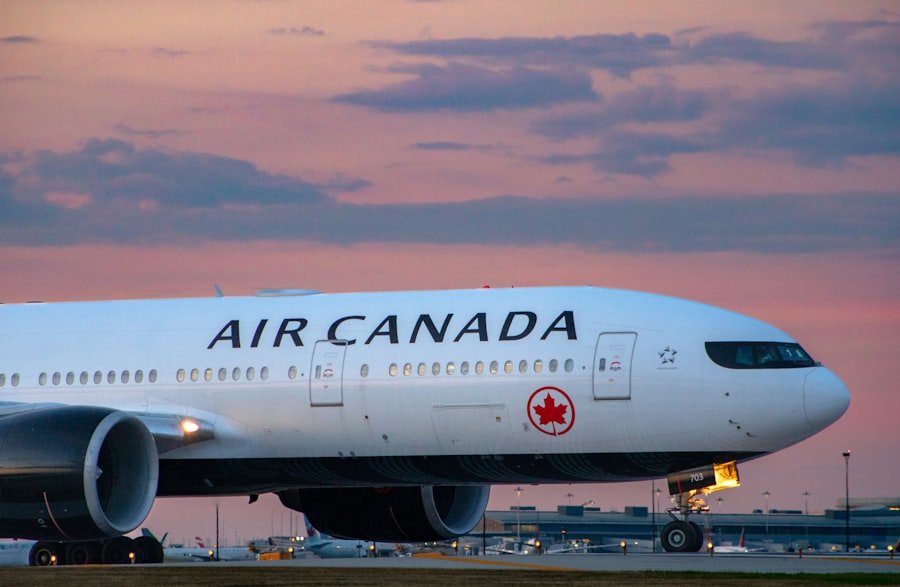
Immediate Medical Assistance
Upon landing, local emergency services are typically on standby to provide immediate medical assistance if needed. Air Canada collaborates closely with these services to ensure a seamless transition from air travel to ground support.
Psychological Support
In addition to medical assistance, Air Canada has protocols in place for providing psychological support to passengers who may experience trauma during an emergency situation. The airline recognizes that emotional well-being is just as important as physical safety. Following an incident, trained professionals may be available to offer counseling services or support resources for affected passengers.
A Holistic Approach to Passenger Well-being
This holistic approach underscores Air Canada’s dedication not only to physical safety but also to the overall well-being of its passengers.
Training and Simulation Exercises for Emergency Landings
Training is a cornerstone of Air Canada’s emergency landing protocol. The airline invests heavily in ongoing training programs for pilots and flight attendants that include both classroom instruction and hands-on simulation exercises. These simulations replicate real-life scenarios that crews may encounter during flights, allowing them to practice their responses in a controlled environment.
For instance, pilots may participate in simulator sessions where they face various emergency situations, such as engine failures or severe turbulence. These exercises help them develop critical decision-making skills under pressure while reinforcing their understanding of aircraft systems and emergency procedures. Similarly, flight attendants engage in drills that focus on passenger management during emergencies, including evacuation techniques and first aid response.
By regularly participating in these training exercises, Air Canada’s crew members remain prepared for any situation that may arise during their flights.
The Role of Technology in Air Canada’s Emergency Landing Protocol
Technology plays an increasingly vital role in enhancing Air Canada’s emergency landing protocols. Modern aircraft are equipped with advanced systems that provide real-time data on various parameters such as engine performance, fuel levels, and weather conditions. This information is crucial for pilots when making decisions during emergencies, allowing them to assess their options quickly.
Additionally, communication technology has improved significantly over the years, enabling seamless interaction between pilots and air traffic control during emergencies. For example, satellite communication systems allow for constant connectivity even when flying over remote areas where traditional radio signals may be weak or unavailable. This ensures that pilots can receive timely updates from air traffic control regarding weather conditions or available landing options.
Moreover, advancements in simulation technology have transformed training programs for both pilots and flight attendants. Virtual reality (VR) simulations provide immersive experiences that replicate real-life scenarios more accurately than traditional methods. This technology allows crew members to practice their responses in a realistic environment without the risks associated with live drills.
Legal and Regulatory Considerations for Air Canada’s Emergency Landing Protocol
Air Canada’s emergency landing protocols are shaped by a complex framework of legal and regulatory considerations that govern aviation safety standards worldwide. Regulatory bodies such as Transport Canada and the Federal Aviation Administration (FAA) establish guidelines that airlines must adhere to regarding emergency procedures. Compliance with these regulations is not optional; it is essential for maintaining operational licenses and ensuring passenger safety.
In addition to regulatory compliance, Air Canada must also consider liability issues related to emergency landings. The airline’s legal team works closely with operational departments to ensure that all protocols are not only effective but also defensible in case of legal scrutiny following an incident. This involves thorough documentation of training programs, incident reports, and compliance audits to demonstrate adherence to established safety standards.
Furthermore, international regulations may come into play when Air Canada operates flights outside of Canadian airspace. Different countries may have varying requirements regarding emergency procedures, necessitating that Air Canada remain adaptable while still adhering to its own rigorous standards.
Case Studies of Successful Emergency Landings by Air Canada
Examining case studies of successful emergency landings provides valuable insights into how Air Canada’s protocols function in real-world scenarios. One notable incident occurred in 2019 when an Air Canada flight experienced engine failure shortly after takeoff from Toronto Pearson International Airport. The crew followed established protocols by communicating with air traffic control immediately upon identifying the issue and preparing for a return landing.
The pilots executed a safe landing back at Toronto Pearson without any injuries reported among passengers or crew members. This incident highlighted the effectiveness of Air Canada’s training programs and emergency protocols, demonstrating how well-prepared crews can manage unexpected situations effectively. Another case involved an Air Canada flight encountering severe turbulence over the Atlantic Ocean in 2020.
The crew’s quick assessment allowed them to communicate with passengers about securing themselves while they navigated through turbulent conditions safely. The successful handling of this situation underscored the importance of effective communication between crew members and passengers during emergencies.
Future Developments and Improvements in Air Canada’s Emergency Landing Protocol
As aviation technology continues to evolve rapidly, so too do the protocols governing emergency landings at Air Canada. The airline is committed to staying at the forefront of safety advancements by continuously reviewing its procedures based on industry best practices and emerging technologies. Future developments may include enhanced simulation training programs utilizing artificial intelligence (AI) to create more realistic scenarios for crew members.
Additionally, ongoing research into aircraft design may lead to innovations that improve safety features during emergencies—such as better evacuation systems or advanced materials that enhance structural integrity during landings under duress. Furthermore, as data analytics becomes more sophisticated, Air Canada may leverage big data insights from past incidents to refine its protocols further. In conclusion, Air Canada’s dedication to maintaining robust emergency landing protocols reflects its commitment to passenger safety above all else.
Through continuous training, technological advancements, effective communication strategies, and adherence to regulatory standards, the airline strives not only to meet but exceed expectations when it comes to handling emergencies in aviation.
Air Canada’s emergency landing protocol was put to the test recently when a flight from Toronto to Vancouver had to make an unexpected landing due to engine trouble. The crew followed strict safety procedures to ensure the safety of all passengers and successfully landed the plane without incident. For more information on Air Canada’s safety measures and protocols, you can visit their website here.
FAQs
What is Air Canada’s emergency landing protocol?
Air Canada’s emergency landing protocol involves a series of procedures and protocols that are followed in the event of an emergency situation during a flight. These protocols are designed to ensure the safety and well-being of passengers and crew members.
What are some common reasons for emergency landings?
Common reasons for emergency landings include mechanical issues, medical emergencies, severe weather conditions, and security threats. In these situations, the flight crew will follow specific protocols to ensure the safety of everyone on board.
What steps are taken during an emergency landing?
During an emergency landing, the flight crew will communicate with air traffic control, assess the situation, and determine the best course of action. Passengers may be instructed to brace for impact, and emergency services may be alerted to prepare for the landing.
How often do emergency landings occur with Air Canada?
Emergency landings are relatively rare occurrences, and Air Canada, like other airlines, prioritizes safety and maintenance to minimize the risk of such incidents. The airline has a strong safety record and adheres to strict protocols for handling emergency situations.
What should passengers do during an emergency landing?
Passengers should follow the instructions of the flight crew, remain calm, and prepare for the possibility of an emergency landing. It is important to listen to the safety briefing at the beginning of the flight and familiarize oneself with the location of emergency exits and safety equipment.