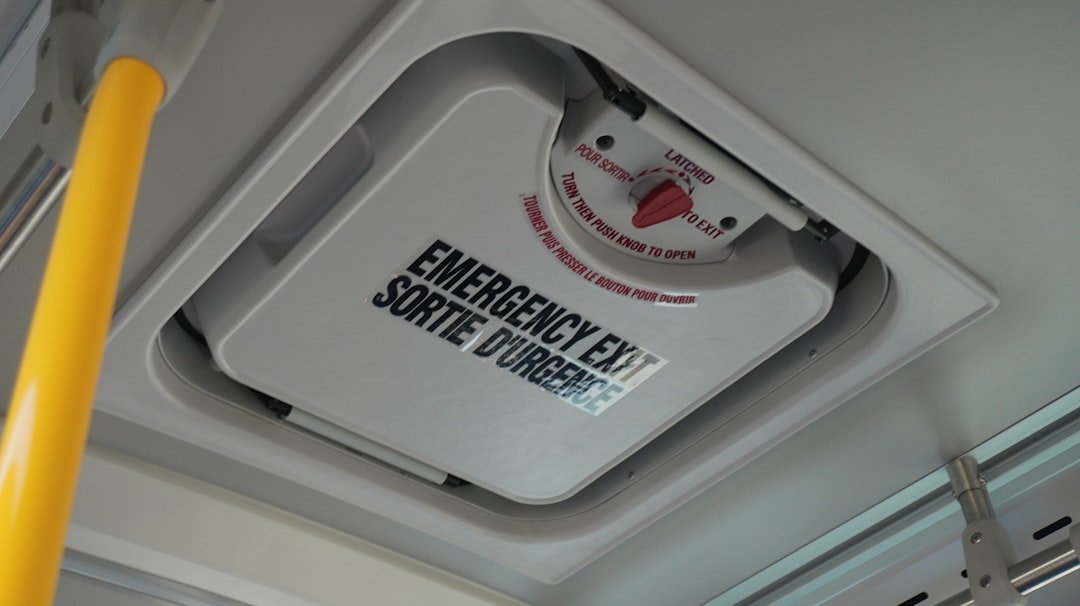
Airline safety is a paramount concern for both the aviation industry and the traveling public. The very nature of air travel, which involves transporting passengers at high altitudes and speeds, necessitates rigorous safety protocols to mitigate risks. The consequences of neglecting safety can be catastrophic, not only resulting in loss of life but also eroding public trust in air travel as a reliable mode of transportation.
The aviation industry has made significant strides in enhancing safety measures over the decades, driven by technological advancements, regulatory frameworks, and a commitment to continuous improvement. The importance of airline safety extends beyond the immediate physical well-being of passengers and crew; it also encompasses the psychological aspect of flying. Passengers must feel secure and confident in their choice of airline, which is why airlines invest heavily in promoting their safety records and practices.
A strong safety culture within an airline fosters an environment where employees are encouraged to prioritize safety above all else, leading to better decision-making and risk management. This culture is essential not only for preventing accidents but also for ensuring that every flight operates smoothly and efficiently.
Key Takeaways
- Airline safety is of utmost importance to ensure the well-being of passengers and crew members.
- Air Canada has a strong safety record with a commitment to maintaining high safety standards.
- Safety measures such as regular maintenance, inspections, and emergency procedures are in place to ensure safe flights.
- Air Canada pilots undergo rigorous training and certification to ensure their competence and readiness for any situation.
- Aircraft maintenance and inspections are conducted regularly to ensure the safety and airworthiness of the fleet.
Air Canada’s Safety Record
Air Canada has established itself as a leader in the aviation industry, particularly when it comes to safety. The airline has a commendable safety record that reflects its commitment to maintaining high standards in operational practices. Over the years, Air Canada has successfully navigated various challenges while ensuring that its safety protocols remain robust and effective.
The airline’s history is marked by a focus on continuous improvement, which has allowed it to adapt to changing regulations and technological advancements in aviation safety. One notable aspect of Air Canada’s safety record is its adherence to international safety standards set by organizations such as the International Civil Aviation Organization (ICAO) and the Federal Aviation Administration (FAA). These standards are designed to ensure that airlines operate within a framework that prioritizes passenger safety.
Air Canada’s consistent compliance with these regulations has earned it recognition within the industry, reinforcing its reputation as a safe airline for travelers. Furthermore, the airline’s proactive approach to safety management includes regular audits and assessments, which help identify potential risks before they escalate into serious issues.
Safety Measures in Place
Air Canada employs a comprehensive array of safety measures designed to protect passengers and crew throughout their journey. These measures encompass various aspects of flight operations, from pre-flight checks to in-flight protocols. One of the key components of Air Canada’s safety strategy is its rigorous maintenance program, which ensures that all aircraft are kept in optimal condition.
This program includes regular inspections, repairs, and upgrades to aircraft systems, all aimed at minimizing the risk of mechanical failure during flights. In addition to maintenance, Air Canada implements advanced technology to enhance safety. For instance, the airline utilizes sophisticated flight management systems that provide real-time data on weather conditions, air traffic, and aircraft performance.
This information allows pilots to make informed decisions during flight, contributing to overall safety. Moreover, Air Canada invests in state-of-the-art navigation and communication systems that facilitate seamless coordination with air traffic control, further reducing the likelihood of incidents.
Training and Certification of Air Canada Pilots
| Training and Certification of Air Canada Pilots | |
|---|---|
| Number of Pilots | 1500 |
| Training Hours | 1000 hours |
| Certification Level | ATPL (Airline Transport Pilot License) |
| Simulator Training | 40 hours per year |
The training and certification of pilots are critical components of Air Canada’s commitment to safety. The airline employs a rigorous selection process to ensure that only the most qualified candidates become pilots. Once selected, pilots undergo extensive training that includes both theoretical knowledge and practical experience.
This training covers a wide range of topics, including aircraft systems, emergency procedures, and navigation techniques. Air Canada places a strong emphasis on recurrent training for its pilots. This ongoing education ensures that pilots remain proficient in their skills and are familiar with the latest developments in aviation technology and regulations.
Simulated flight scenarios are an integral part of this training, allowing pilots to practice handling various emergency situations in a controlled environment. By continually honing their skills, Air Canada pilots are better prepared to respond effectively to any challenges that may arise during a flight.
Aircraft Maintenance and Inspections
Aircraft maintenance is a cornerstone of aviation safety, and Air Canada takes this responsibility seriously. The airline adheres to stringent maintenance schedules that comply with both national and international regulations. Each aircraft undergoes regular inspections based on flight hours and cycles, ensuring that all systems are functioning correctly.
These inspections cover critical components such as engines, landing gear, and avionics systems. In addition to routine maintenance, Air Canada conducts thorough checks before each flight. These pre-flight inspections involve a detailed examination of the aircraft’s exterior and interior, ensuring that everything is in order before takeoff.
Any discrepancies identified during these checks are addressed immediately by qualified maintenance personnel. This proactive approach not only enhances safety but also contributes to the overall reliability of Air Canada’s fleet.
Emergency Procedures and Equipment
Established Protocols for Emergency Scenarios
The airline has developed clear protocols for various emergency scenarios, including engine failure, cabin depressurization, and severe turbulence. These procedures are regularly reviewed and updated based on industry best practices and lessons learned from past incidents.
State-of-the-Art Emergency Equipment
Air Canada’s aircraft are equipped with advanced emergency equipment, including life vests, oxygen masks, and emergency slides that facilitate safe evacuation in case of an emergency landing. Flight attendants receive specialized training on how to operate this equipment effectively and assist passengers during emergencies.
Regular Drills for Crew Preparedness
Regular drills ensure that crew members are familiar with their roles and responsibilities in crisis situations, reinforcing their ability to respond swiftly and efficiently.
Safety Briefings and Instructions
Before every flight, Air Canada prioritizes passenger awareness through comprehensive safety briefings. These briefings are designed to inform passengers about essential safety information relevant to their journey. Flight attendants deliver these briefings with clarity and professionalism, covering topics such as seatbelt usage, emergency exits, and the location of safety equipment.
In addition to verbal briefings, Air Canada utilizes visual aids such as safety cards located in seat pockets. These cards provide passengers with important information about emergency procedures and equipment specific to the aircraft they are flying on. By ensuring that passengers are well-informed about safety protocols, Air Canada empowers them to take an active role in their own safety during the flight.
Passenger Responsibility for Safety
While airlines like Air Canada implement extensive safety measures, passengers also play a crucial role in ensuring their own safety during flights. It is essential for travelers to pay attention during pre-flight briefings and familiarize themselves with the safety information provided by the airline. Understanding how to use seatbelts properly, locate emergency exits, and operate oxygen masks can significantly enhance passenger preparedness in case of an emergency.
Moreover, passengers should adhere to all instructions given by flight attendants throughout the flight. This includes following guidelines regarding electronic device usage, stowing luggage properly, and remaining seated during turbulence or other critical phases of flight. By taking personal responsibility for their own safety and cooperating with crew members, passengers contribute to a safer flying environment for everyone on board.
Air Canada’s Response to Safety Incidents
In the rare event of a safety incident, Air Canada has established protocols for responding effectively while prioritizing passenger welfare. The airline’s response plan includes immediate communication with relevant authorities and coordination with emergency services if necessary. This ensures that any situation is managed swiftly and efficiently while keeping passengers informed throughout the process.
Air Canada’s commitment to transparency is evident in its approach to addressing safety incidents. The airline conducts thorough investigations following any event that compromises safety, analyzing data from flight recorders and gathering input from crew members involved. Lessons learned from these investigations are used to refine existing protocols and enhance future training programs.
This commitment to continuous improvement underscores Air Canada’s dedication to maintaining high safety standards.
Safety Regulations and Compliance
Air Canada’s operations are governed by a complex framework of safety regulations established by national and international aviation authorities. Compliance with these regulations is non-negotiable; it forms the foundation upon which the airline builds its operational practices. Regulatory bodies such as Transport Canada oversee the enforcement of these standards, conducting regular audits and inspections to ensure adherence.
The airline’s compliance extends beyond mere regulatory requirements; it reflects a broader commitment to fostering a culture of safety within its organization. By actively engaging with regulatory authorities and participating in industry forums focused on aviation safety, Air Canada remains at the forefront of best practices in the field. This proactive stance not only enhances its own operations but also contributes positively to the overall safety landscape of the aviation industry.
Tips for a Safe and Comfortable Flight with Air Canada
Traveling with Air Canada can be both safe and enjoyable when passengers take certain precautions before and during their journey. One essential tip is to arrive at the airport early enough to allow for check-in procedures and security screening without feeling rushed. This extra time can alleviate stress and ensure that travelers can focus on their flight experience.
During the flight itself, passengers should remain attentive to announcements made by the flight crew regarding safety procedures or changes in flight status. Staying hydrated is also important; drinking water throughout the flight can help mitigate discomfort associated with cabin pressure changes. Additionally, wearing comfortable clothing can enhance overall comfort during long-haul flights.
By understanding their role in maintaining a safe flying environment and following guidelines provided by Air Canada staff, passengers can contribute positively to their travel experience while enjoying peace of mind knowing they are flying with an airline committed to excellence in safety.
Air Canada recently updated their safety instructions to include new COVID-19 protocols for passengers. For more information on how the airline is ensuring the safety of their passengers during the pandemic, check out this article on Air Canada’s COVID-19 safety measures.
FAQs
What are the safety instructions provided by Air Canada?
Air Canada provides safety instructions to passengers before takeoff, including information on seatbelt usage, emergency exits, oxygen masks, life vests, and emergency procedures.
How are the safety instructions communicated to passengers?
The safety instructions are communicated to passengers through a combination of pre-flight safety demonstrations by flight attendants, safety cards located in the seat pocket in front of each passenger, and video presentations on seatback screens.
What should passengers do in the event of an emergency?
In the event of an emergency, passengers should follow the instructions provided by the flight crew, remain calm, and be prepared to evacuate the aircraft if necessary.
What safety features are available on Air Canada aircraft?
Air Canada aircraft are equipped with safety features such as emergency exits, life vests, oxygen masks, and fire extinguishers to ensure the safety of passengers in the event of an emergency.
Are passengers required to pay attention to the safety instructions?
Yes, passengers are required to pay attention to the safety instructions provided by Air Canada as they are crucial for ensuring the safety and well-being of everyone on board the aircraft.