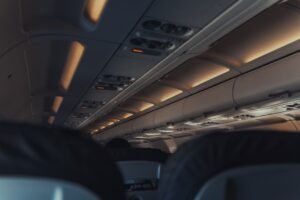
Inflight safety is a paramount concern for airlines and passengers alike, as it encompasses a range of protocols and practices designed to protect everyone on board an aircraft. The aviation industry has made significant strides in enhancing safety measures over the years, resulting in a remarkable reduction in accidents and incidents. This focus on safety is not merely a regulatory requirement; it is a fundamental aspect of the flying experience that ensures passengers can travel with peace of mind.
The importance of inflight safety cannot be overstated, as it serves as the foundation for the trust that passengers place in airlines and their crews. Moreover, understanding inflight safety is crucial for passengers themselves. Familiarity with safety protocols can significantly enhance a passenger’s ability to respond effectively in an emergency situation.
When individuals are aware of the safety measures in place, they are more likely to remain calm and composed during unexpected events. This knowledge empowers passengers to take an active role in their own safety, making them more vigilant and prepared for any potential challenges that may arise during the flight.
Key Takeaways
- Inflight safety is of utmost importance to ensure the well-being of passengers during air travel.
- Passengers should expect a safety demonstration and instructions before takeoff, which includes information on seatbelts and oxygen masks.
- Familiarize yourself with the location of emergency exits and evacuation procedures in case of an emergency.
- Turbulence can be unsettling, but following safety guidelines and staying seated with your seatbelt fastened can help ensure safety.
- It’s important to understand the safety measures for children and infants, including the proper use of child restraints and oxygen masks.
Preparing for Takeoff: What to Expect
As the aircraft prepares for takeoff, passengers can expect a series of announcements and procedures designed to ensure their safety and comfort. The cabin crew will typically begin by instructing passengers to stow their carry-on luggage securely, ensuring that the aisles and exits are clear. This is a critical step, as any loose items can become projectiles during takeoff or turbulence, posing a risk to everyone on board.
Passengers should also be reminded to fasten their seatbelts and sit upright, as these actions contribute to a safer takeoff experience. In addition to securing personal belongings, passengers should be prepared for the pre-flight safety briefing. This briefing is an essential part of the takeoff process, as it provides vital information about the aircraft’s safety features and emergency procedures.
Passengers are encouraged to pay close attention during this time, as it can make a significant difference in their understanding of what to do in case of an emergency. The cabin crew will often demonstrate how to use safety equipment, such as oxygen masks and life vests, ensuring that everyone is informed and ready for any situation that may arise.
Seatbelt and Oxygen Mask Instructions
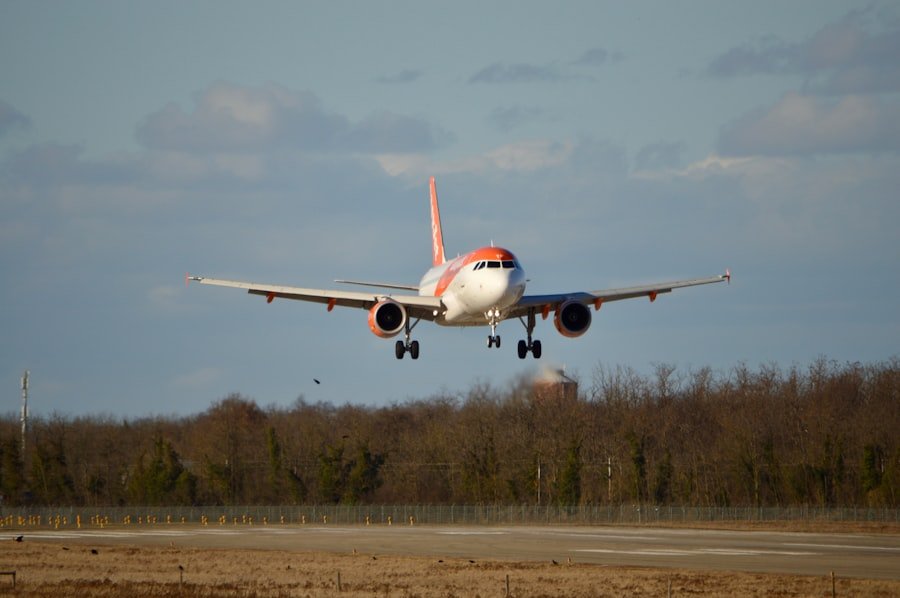
The seatbelt is one of the most fundamental safety features on an aircraft, designed to keep passengers securely in their seats during various phases of flight. Passengers are instructed to fasten their seatbelts low across their lap, ensuring that they are snug but comfortable. In the event of turbulence or sudden maneuvers, a properly fastened seatbelt can prevent injuries caused by unexpected movements.
Cabin crew will often remind passengers to keep their seatbelts fastened whenever they are seated, even when the seatbelt sign is turned off, as turbulence can occur unexpectedly. Oxygen masks are another critical component of inflight safety. In the unlikely event of cabin depressurization, oxygen masks will automatically deploy from overhead compartments.
Passengers are instructed to pull the mask towards them, place it over their nose and mouth, and secure it with the elastic band. It is essential to remember that passengers should first secure their own masks before assisting others, particularly children or those who may need help. This protocol ensures that individuals can maintain their own oxygen supply while providing assistance to others, ultimately increasing the chances of survival in an emergency situation.
Emergency Exits and Evacuation Procedures
| Building | Number of Emergency Exits | Evacuation Procedures |
|---|---|---|
| Main Office | 4 | Employees gather at designated meeting point |
| Warehouse | 6 | Evacuation drills conducted every 6 months |
| Factory | 8 | Emergency exit maps posted in visible locations |
Familiarity with emergency exits is vital for all passengers aboard an aircraft. Each aircraft is equipped with multiple exits, which may include doors at the front, middle, and rear of the cabin, as well as over-wing exits on some models. During the pre-flight safety briefing, cabin crew will point out these exits and explain how they operate.
Passengers should take note of the nearest exit relative to their seat, as this knowledge can be crucial in an emergency where time is of the essence. In the event of an evacuation, clear and efficient procedures are in place to guide passengers safely out of the aircraft. Cabin crew are trained extensively in evacuation protocols and will direct passengers using verbal commands and hand signals.
Passengers should remain calm and follow instructions promptly, avoiding any unnecessary delays. It is important to leave personal belongings behind during an evacuation, as attempting to retrieve items can hinder the escape process and put lives at risk. Understanding these procedures ahead of time can significantly enhance a passenger’s ability to respond effectively in a crisis.
Safety Demonstration and Instructions
The safety demonstration conducted by cabin crew is a critical component of inflight safety education. This demonstration typically occurs before takeoff and includes visual aids and verbal instructions on how to use safety equipment such as seatbelts, oxygen masks, and life vests. The demonstration serves not only as a reminder of safety protocols but also as an opportunity for passengers to ask questions if they are unclear about any aspect of the instructions.
In recent years, airlines have adopted various creative approaches to make safety demonstrations more engaging. Some airlines utilize videos featuring animated characters or humorous skits to capture passengers’ attention while conveying essential safety information. Regardless of the format, it is crucial for passengers to remain attentive during this demonstration, as it provides valuable insights into how to respond in emergencies.
Engaging with this information can foster a culture of safety awareness among travelers.
Turbulence and How to Stay Safe
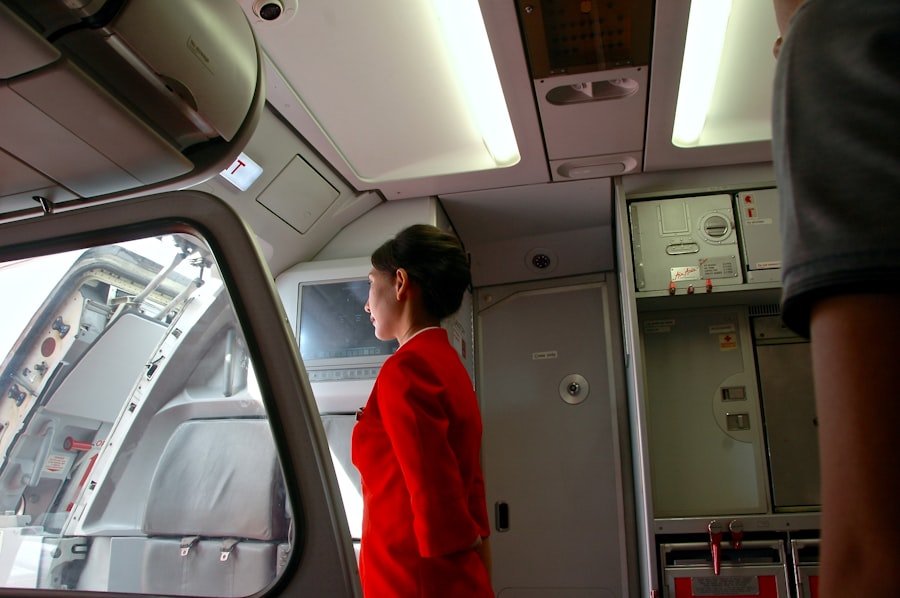
Precautions to Take
The best practice is to remain seated with your seatbelt fastened whenever you are in your seat, even if the seatbelt sign is turned off. This precaution helps prevent injuries caused by sudden movements or drops in altitude.
Following Crew Instructions
In cases where turbulence becomes severe, cabin crew may instruct passengers to return to their seats and fasten their seatbelts immediately. It is crucial for passengers to heed these instructions promptly and avoid moving around the cabin during turbulent conditions.
Consequences of Not Taking Precautions
If you are standing or walking when turbulence strikes, you may lose your balance or be thrown against objects or other passengers, leading to potential injuries. By being proactive about securing yourself during turbulence, you contribute not only to your own safety but also to the overall well-being of everyone on board.
Electronic Devices and Airplane Mode
The use of electronic devices during flights has evolved significantly over the years, with many airlines now allowing passengers to use devices in airplane mode throughout most phases of flight. However, it remains essential for passengers to understand the rules surrounding electronic device usage while flying. Airplane mode disables cellular connectivity while allowing access to offline applications such as music or e-books.
Passengers should be aware that while electronic devices can enhance their travel experience, they must comply with airline regulations regarding usage during takeoff and landing. Typically, airlines require devices to be turned off or set to airplane mode during these critical phases of flight to minimize interference with aircraft systems. It is advisable for passengers to familiarize themselves with specific airline policies regarding electronic devices before boarding, ensuring compliance with all regulations.
Safety Measures for Children and Infants
Traveling with children and infants presents unique challenges when it comes to inflight safety. Airlines have specific protocols in place to ensure that young travelers are secure throughout the flight. For infants, parents are often provided with options such as bassinet seats or infant seatbelts designed for added security during takeoff and landing.
Parents should also be proactive in educating older children about inflight safety measures. Explaining the importance of wearing seatbelts and following crew instructions can help instill a sense of responsibility in young travelers. Additionally, parents should ensure that children understand how to use oxygen masks properly if needed; this knowledge can empower them during emergencies and reduce panic.
Medical Emergencies and First Aid
Medical emergencies can occur at any time during a flight, making it essential for cabin crew members to be trained in first aid procedures. Airlines typically equip their aircraft with first aid kits containing essential medical supplies such as bandages, antiseptics, and medications for common ailments like allergies or motion sickness. In case of a medical emergency involving a passenger, cabin crew will assess the situation and provide appropriate assistance while coordinating with medical professionals on the ground if necessary.
Passengers should also be aware that they have a role in addressing medical emergencies on board. If you notice someone experiencing distress or requiring assistance, alerting a crew member promptly can make a significant difference in response time. Additionally, if you have medical training or expertise, informing the crew can be invaluable in managing the situation effectively until professional help can be reached.
Understanding the Seatback Pocket Safety Card
The seatback pocket safety card is an often-overlooked resource that provides crucial information about inflight safety procedures specific to that aircraft model. This card typically includes illustrations detailing how to use safety equipment such as life vests and oxygen masks, as well as information about emergency exits and evacuation routes. Passengers are encouraged to take a moment to review this card upon boarding.
By familiarizing themselves with the contents of the safety card, passengers can enhance their understanding of what actions they need to take in case of an emergency. The visual aids provided on these cards can serve as quick references during stressful situations when clear thinking may be compromised. Therefore, taking time to read through this card can significantly contribute to overall passenger preparedness.
Tips for a Comfortable and Safe Journey
While inflight safety is paramount, ensuring comfort during your journey also plays a vital role in enhancing your overall travel experience. One key tip for comfort is choosing appropriate clothing; wearing layers allows you to adjust your attire based on cabin temperature fluctuations throughout the flight. Additionally, selecting comfortable shoes can make navigating through airports easier while also providing support during long periods of sitting.
Staying hydrated is another essential aspect of both comfort and safety during air travel. The low humidity levels inside aircraft cabins can lead to dehydration; therefore, drinking water regularly throughout your flight is advisable. Many airlines offer complimentary beverages; however, bringing your own reusable water bottle can help ensure you have access to hydration whenever needed.
In conclusion, understanding inflight safety measures is crucial for all travelers seeking a secure flying experience. By familiarizing themselves with protocols related to takeoff preparation, emergency procedures, turbulence management, electronic device usage, child safety measures, medical emergencies, seatback pocket resources, and tips for comfort during flights—passengers can contribute significantly not only towards their own well-being but also towards creating a safer environment for everyone on board.
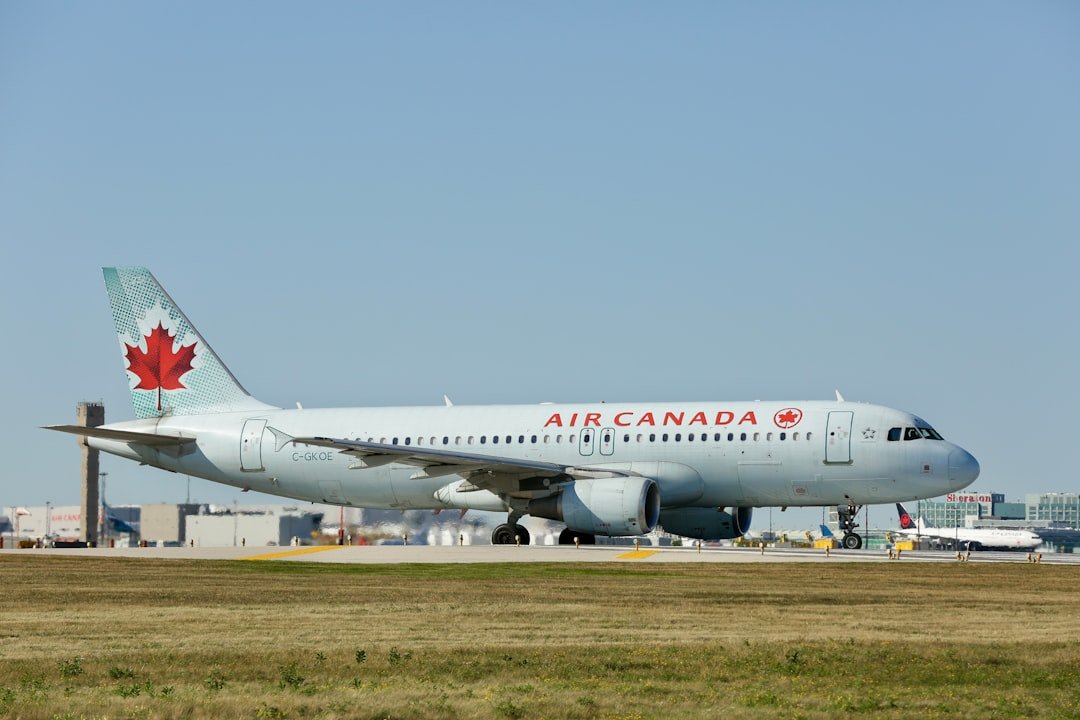
Air Canada has recently updated its inflight safety procedures to ensure the safety and well-being of passengers during their travels. For more information on Air Canada’s commitment to safety, you can visit their website here. Additionally, you can learn more about their privacy policy here and find out about the company’s history and values here.
FAQs
What are the inflight safety procedures on Air Canada?
Air Canada provides passengers with a comprehensive safety briefing before takeoff, including information on seat belt usage, emergency exits, oxygen masks, and life vests.
What should passengers do in the event of an emergency on an Air Canada flight?
In the event of an emergency, passengers should follow the instructions provided by the flight attendants, remain calm, and be prepared to evacuate the aircraft if necessary.
Are there specific safety measures for children and infants on Air Canada flights?
Air Canada provides special safety instructions for parents traveling with children and infants, including the use of child restraint systems and infant life vests.
What safety equipment is available on Air Canada flights?
Air Canada flights are equipped with safety features such as emergency exits, life vests, oxygen masks, and fire extinguishers to ensure the safety of passengers and crew.
How often are Air Canada flight attendants trained in inflight safety procedures?
Air Canada flight attendants undergo regular training and re-certification in inflight safety procedures to ensure they are prepared to handle any emergency situation.