
Air Canada, as the flag carrier and largest airline of Canada, has long recognized that safety is the cornerstone of its operations. The airline’s commitment to safety is not merely a regulatory requirement but a core value that permeates every aspect of its operations. This dedication is reflected in its comprehensive safety management system, which integrates risk management, safety culture, and continuous improvement processes.
Air Canada’s leadership understands that maintaining a high standard of safety is essential not only for regulatory compliance but also for building trust with passengers and stakeholders alike. The airline’s safety philosophy is deeply embedded in its corporate culture, emphasizing proactive measures to prevent incidents before they occur. This commitment is evident in the rigorous training programs for employees, the meticulous maintenance of aircraft, and the adoption of cutting-edge technology.
By fostering a culture of safety, Air Canada aims to ensure that every flight operates under the highest safety standards, thereby reinforcing its reputation as a reliable and secure airline for travelers around the globe.
Key Takeaways
- Air Canada is committed to ensuring the safety of its passengers and crew through stringent safety measures and protocols.
- Air Canada pilots undergo rigorous training and hold high qualifications to ensure the safe operation of the aircraft.
- The airline follows strict maintenance and inspection procedures to ensure the airworthiness of its fleet.
- Air Canada utilizes advanced technology and safety equipment to enhance the safety of its aircraft.
- The airline complies with international safety regulations and standards to ensure the highest level of safety for its operations.
Training and qualifications of Air Canada pilots
Stringent Selection Process
Candidates undergo a series of assessments, including simulator evaluations and psychological testing, to determine their aptitude for handling complex flight scenarios.
Comprehensive Training Program
Once selected, pilots embark on an extensive training program that encompasses both theoretical knowledge and practical skills. The training regimen includes initial ground school instruction, where pilots learn about aircraft systems, navigation, meteorology, and emergency procedures. Following this foundational training, pilots transition to simulator training, where they practice handling various flight situations, including adverse weather conditions and system failures.
Ongoing Training and Development
This immersive training environment allows pilots to develop their decision-making skills and enhance their ability to respond effectively in emergencies. Furthermore, Air Canada mandates recurrent training sessions to ensure that pilots remain proficient in their skills and stay updated on the latest safety protocols and technologies.
Maintenance and inspection procedures for Air Canada’s aircraft
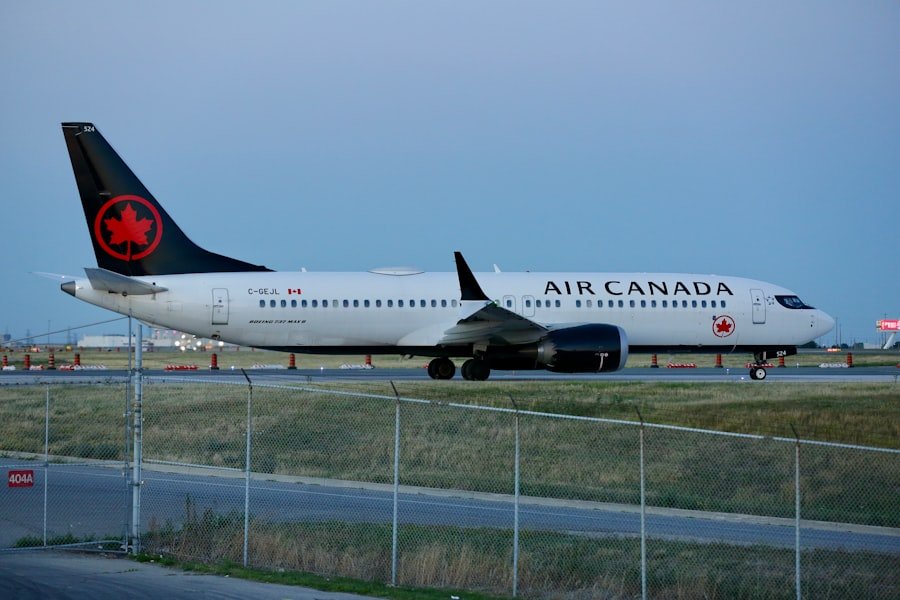
Air Canada’s commitment to safety extends beyond pilot training; it encompasses rigorous maintenance and inspection procedures for its fleet of aircraft. The airline adheres to a comprehensive maintenance program that complies with both Transport Canada regulations and manufacturer guidelines. This program includes routine inspections, scheduled maintenance checks, and unscheduled repairs as needed.
Each aircraft undergoes a thorough pre-flight inspection before every flight, ensuring that all systems are functioning correctly. In addition to daily checks, Air Canada conducts more extensive maintenance checks at regular intervals, categorized as A, B, C, and D checks. These checks vary in scope and frequency, with D checks being the most comprehensive, involving a complete overhaul of the aircraft.
During these inspections, technicians examine critical components such as engines, landing gear, and avionics systems. The airline employs highly trained maintenance personnel who are certified to perform these tasks, ensuring that all work meets stringent safety standards. By investing in meticulous maintenance practices, Air Canada minimizes the risk of mechanical failures and enhances the overall safety of its operations.
Use of advanced technology and safety equipment in Air Canada’s fleet
| Aircraft Type | Number of Aircraft | Advanced Technology | Safety Equipment |
|---|---|---|---|
| Boeing 787 Dreamliner | 37 | Advanced avionics, composite materials | Enhanced vision systems, emergency locator transmitters |
| Airbus A220 | 45 | Advanced aerodynamics, fuel-efficient engines | Automatic dependent surveillance-broadcast, terrain awareness and warning system |
| Boeing 737 MAX | 24 | Advanced flight control systems, fuel efficiency | Runway overrun protection, angle of attack indicators |
Air Canada leverages advanced technology and state-of-the-art safety equipment to enhance the safety of its fleet. The airline has made significant investments in modernizing its aircraft with the latest avionics systems that improve situational awareness for pilots. For instance, many of Air Canada’s aircraft are equipped with advanced flight management systems (FMS) that assist pilots in navigation and optimize flight paths for fuel efficiency while maintaining safety.
Moreover, Air Canada utilizes sophisticated weather radar systems that provide real-time data on atmospheric conditions, allowing pilots to make informed decisions regarding flight routes. The integration of Automatic Dependent Surveillance-Broadcast (ADS-B) technology further enhances air traffic management by providing precise location information to air traffic controllers and other aircraft. This technology significantly reduces the risk of mid-air collisions and improves overall airspace safety.
By incorporating these advanced technologies into its operations, Air Canada demonstrates its commitment to maintaining a safe flying environment for passengers and crew.
Compliance with international safety regulations and standards
Air Canada’s adherence to international safety regulations and standards is a testament to its commitment to aviation safety. The airline operates under the regulatory framework established by Transport Canada, which aligns with global standards set by the International Civil Aviation Organization (ICAO). This compliance ensures that Air Canada meets or exceeds the safety requirements mandated by international authorities.
In addition to regulatory compliance, Air Canada actively participates in various industry safety initiatives aimed at enhancing aviation safety worldwide. The airline collaborates with organizations such as the International Air Transport Association (IATA) to implement best practices in safety management. By engaging in these collaborative efforts, Air Canada not only reinforces its own safety protocols but also contributes to the overall improvement of aviation safety standards across the industry.
Emergency preparedness and response protocols for Air Canada
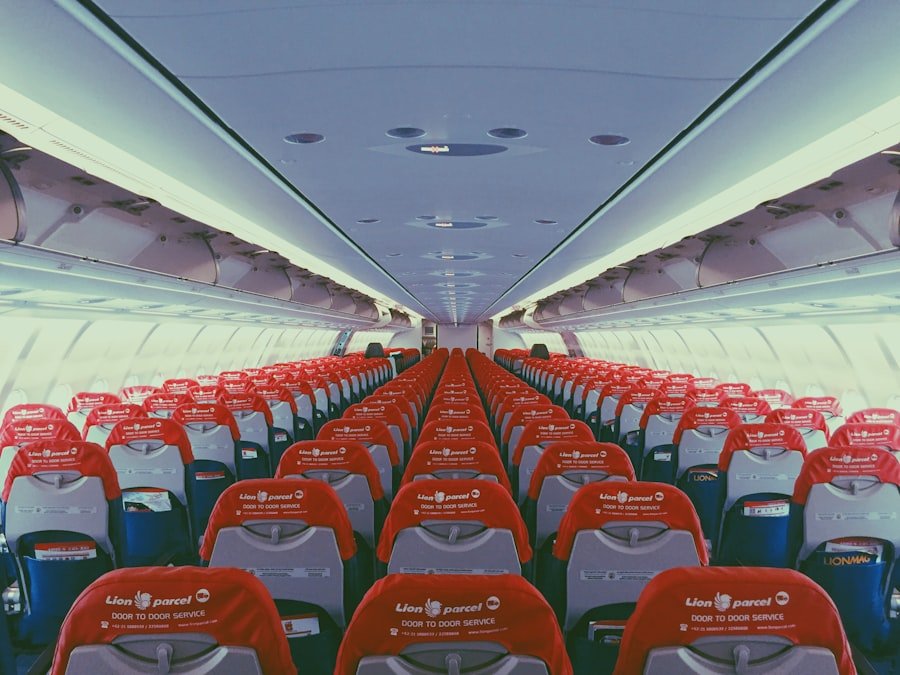
Air Canada’s emergency preparedness and response protocols are designed to ensure that the airline can effectively manage any unforeseen incidents that may arise during operations. The airline has developed comprehensive emergency response plans that outline procedures for various scenarios, including medical emergencies, technical failures, and security threats. These plans are regularly reviewed and updated to reflect changes in regulations or operational practices.
Training plays a crucial role in preparing Air Canada’s staff for emergency situations. Flight crews undergo extensive training in emergency procedures, including evacuation drills and first aid response. Additionally, ground personnel are trained to handle passenger management during emergencies, ensuring that communication is clear and effective.
Regular simulations are conducted to test these protocols in real-time scenarios, allowing staff to practice their responses in a controlled environment. This proactive approach ensures that all employees are well-prepared to act swiftly and efficiently in the event of an emergency.
Safety record and incident reporting within Air Canada
Air Canada’s safety record is a reflection of its unwavering commitment to maintaining high standards in aviation safety. The airline has consistently demonstrated a strong performance in terms of incident rates compared to industry averages. This achievement is attributed to its robust safety management system that emphasizes proactive risk identification and mitigation strategies.
Incident reporting is an integral part of Air Canada’s safety culture. The airline encourages employees at all levels to report any safety concerns or incidents without fear of reprisal. This open reporting culture allows for thorough investigations into any occurrences, leading to valuable insights that can be used to enhance safety measures further.
By analyzing trends in incident reports, Air Canada can identify potential areas for improvement and implement corrective actions promptly.
Collaboration with industry partners and regulatory agencies for safety improvements
Collaboration is key to enhancing aviation safety, and Air Canada actively engages with industry partners and regulatory agencies to drive improvements in this area. The airline participates in various forums and working groups focused on aviation safety, where it shares insights and best practices with other airlines and stakeholders. This collaborative approach fosters an environment where knowledge is exchanged freely, leading to innovative solutions for common challenges.
Air Canada’s partnerships extend beyond the aviation sector; the airline collaborates with research institutions and technology providers to explore new safety technologies and methodologies. For example, by working with universities on research projects related to human factors in aviation, Air Canada can gain valuable insights into pilot performance and decision-making processes under stress. Such collaborations not only enhance Air Canada’s own practices but also contribute to the broader body of knowledge within the aviation industry.
Continuous improvement and innovation in safety measures at Air Canada
Continuous improvement is a fundamental principle at Air Canada when it comes to safety measures. The airline regularly reviews its policies and procedures to identify opportunities for enhancement based on emerging trends and technological advancements. This commitment to innovation ensures that Air Canada remains at the forefront of aviation safety practices.
One notable initiative is the implementation of Safety Management Systems (SMS), which provide a structured approach to managing safety risks through data collection and analysis. By utilizing data analytics tools, Air Canada can identify patterns in operational performance and proactively address potential issues before they escalate into serious incidents. Furthermore, the airline invests in research and development initiatives aimed at exploring new technologies that can further enhance flight safety, such as artificial intelligence applications for predictive maintenance.
Communication and transparency regarding safety measures within Air Canada
Effective communication is vital for fostering a culture of safety within any organization, and Air Canada prioritizes transparency regarding its safety measures. The airline regularly communicates its safety policies and practices to employees through training sessions, internal newsletters, and dedicated safety briefings. This open dialogue ensures that all staff members are aware of their roles in maintaining a safe operating environment.
Moreover, Air Canada recognizes the importance of keeping passengers informed about its commitment to safety. The airline provides detailed information on its website regarding its safety protocols, including aircraft maintenance practices and pilot training programs. By being transparent about its operations, Air Canada builds trust with travelers who prioritize their well-being while flying.
Future outlook for Air Canada’s commitment to high fleet safety standards
Looking ahead, Air Canada’s commitment to high fleet safety standards remains unwavering as it navigates an ever-evolving aviation landscape. The airline recognizes that maintaining a robust safety culture requires ongoing investment in training, technology, and infrastructure. As new challenges emerge—such as increased air traffic demand or evolving regulatory requirements—Air Canada is poised to adapt its strategies accordingly.
The future will likely see further integration of advanced technologies into Air Canada’s operations, including enhanced data analytics capabilities for real-time monitoring of aircraft performance. Additionally, as sustainability becomes increasingly important within the aviation industry, Air Canada may explore innovative solutions that not only improve operational efficiency but also enhance safety outcomes. By remaining proactive in its approach to safety management, Air Canada aims to continue setting benchmarks for excellence within the aviation sector while ensuring that passenger safety remains paramount at all times.
Air Canada is known for its commitment to safety and high standards for its fleet. In a related article, the airline discusses how they prioritize passenger comfort and affordability in the skies. To learn more about Air Canada’s dedication to providing a safe and enjoyable flying experience, you can read the article here.
FAQs
What are Air Canada’s fleet safety standards?
Air Canada’s fleet safety standards are in line with international aviation regulations and industry best practices. The airline adheres to strict maintenance schedules, safety inspections, and operational procedures to ensure the safety of its aircraft and passengers.
How does Air Canada ensure the safety of its fleet?
Air Canada ensures the safety of its fleet through regular maintenance, rigorous safety inspections, and adherence to industry regulations. The airline also invests in advanced technology and training for its pilots and maintenance crew to maintain high safety standards.
What measures does Air Canada take to prevent accidents and incidents?
Air Canada takes various measures to prevent accidents and incidents, including regular safety audits, incident reporting and investigation, safety training for its employees, and continuous improvement of safety protocols based on industry trends and best practices.
Does Air Canada have a good safety record?
Air Canada has a strong safety record and is recognized for its commitment to safety. The airline has received various safety certifications and awards, and it continuously works to maintain and improve its safety standards.
How does Air Canada compare to other airlines in terms of fleet safety?
Air Canada is considered to be on par with other major international airlines in terms of fleet safety. The airline’s safety standards and practices are in line with industry norms, and it is committed to maintaining a high level of safety for its fleet and passengers.