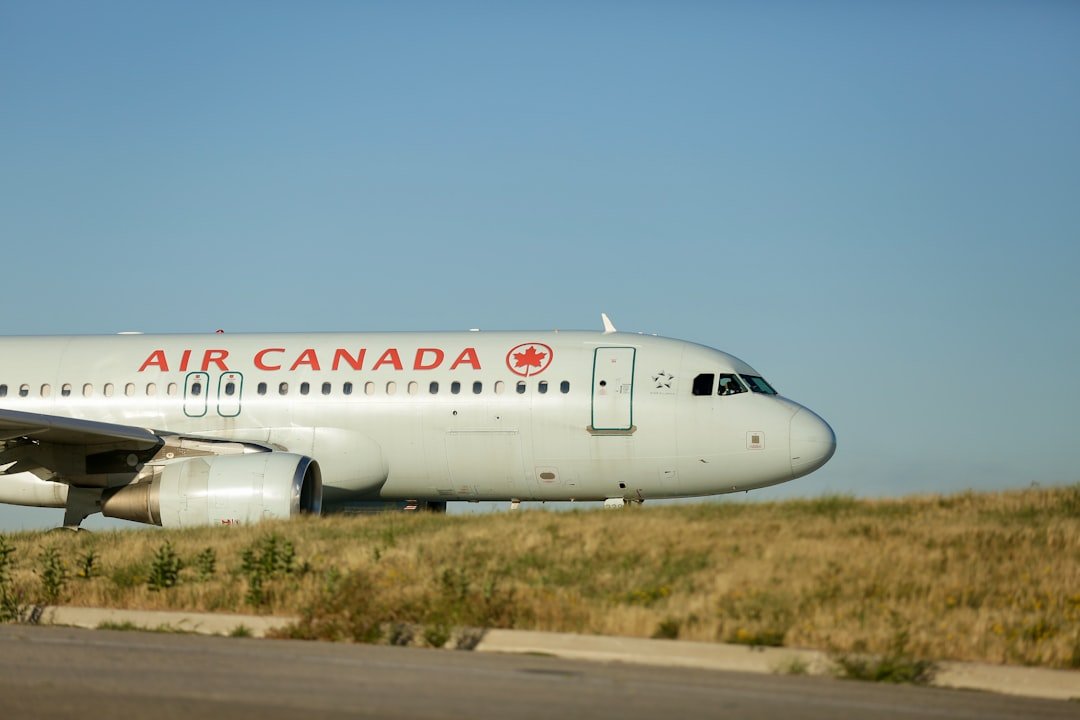
Air Canada, as one of the leading airlines in North America, has established a set of carry-on size rules that are crucial for travelers to understand. These regulations are designed to ensure a smooth boarding process and to maximize the available space in the cabin. Carry-on luggage is an essential aspect of air travel, allowing passengers to keep their belongings close at hand during the flight.
However, with the increasing number of travelers and the limited overhead bin space, adhering to specific size and weight restrictions has become more important than ever. Understanding Air Canada’s carry-on size rules not only helps passengers avoid last-minute hassles at the airport but also enhances their overall travel experience. By familiarizing themselves with these guidelines, travelers can pack more efficiently and ensure that their bags fit comfortably in the cabin.
This article will delve into the specifics of Air Canada’s carry-on policies, providing insights into dimensions, weight limits, and packing tips that will help passengers navigate their journeys with ease.
Key Takeaways
- Air Canada’s carry-on size rules are important to understand before traveling.
- It is crucial to know the dimensions and weight limits for carry-on items on Air Canada flights.
- Only certain types of items are allowed as carry-ons, so it’s important to be aware of the restrictions.
- There are exceptions and special considerations for certain items, so travelers should be informed.
- Packing efficiently within the size limits is key to avoiding issues with carry-on items on Air Canada flights.
Understanding the Dimensions and Weight Limits
Standard Carry-On Bag Dimensions
Each passenger is allowed one standard carry-on bag, which must not exceed dimensions of 55 cm x 40 cm x 23 cm (21.5 in x 15.5 in x 9 in), including any wheels or handles. This size is designed to fit comfortably in the overhead compartments of the aircraft.
Personal Item Dimensions
In addition to a standard carry-on bag, passengers are also allowed one personal item, such as a purse, laptop bag, or backpack. The personal item should not exceed dimensions of 33 cm x 43 cm x 16 cm (13 in x 17 in x 6 in).
Weight Limit and Safety Guidelines
While Air Canada does not specify a strict weight limit for carry-on bags, passengers are recommended to keep their bags light enough to be easily stowed in the overhead bins without assistance. This guideline is particularly important for ensuring safety during boarding and deplaning, as well as for maintaining an orderly cabin environment. Passengers should be mindful that if their carry-on appears excessively heavy or bulky, airline staff may request that it be checked at the gate.
Types of Items Allowed as Carry-Ons
When packing for a flight with Air Canada, it is essential to know what types of items are permitted as carry-ons. Generally, passengers can bring a variety of personal belongings, including clothing, toiletries, electronics, and reading materials. However, there are specific regulations regarding certain items that may be restricted or prohibited altogether.
For instance, sharp objects such as knives or scissors are not allowed in carry-on luggage due to safety concerns. Additionally, liquids and gels must adhere to the Transportation Security Administration (TSA) guidelines, which dictate that containers must not exceed 100 milliliters (3.4 ounces) and must be placed in a single, transparent, resealable plastic bag with a capacity of no more than one liter (approximately one quart). This rule applies to all liquids, including beverages, creams, and gels.
Passengers should also be aware that certain items like sports equipment or large musical instruments may require special arrangements or may not be allowed as carry-ons at all.
Exceptions and Special Considerations
| Category | Exceptions and Special Considerations |
|---|---|
| Customer Service | Exceptions may be made for long-time customers or in special circumstances. |
| Shipping | Special considerations may apply for expedited shipping or international orders. |
| Refunds | Exceptions may be made for defective products or extenuating circumstances. |
While Air Canada’s carry-on size rules are generally straightforward, there are exceptions and special considerations that travelers should be aware of. For example, passengers traveling with infants are allowed to bring additional items such as a diaper bag or a stroller, which do not count towards their standard carry-on allowance. Similarly, those with medical conditions may carry necessary medical equipment or supplies without being subject to the usual size restrictions.
Moreover, frequent flyers or those traveling in premium classes may enjoy additional privileges regarding carry-on allowances. Business class passengers on Air Canada flights are often permitted an extra piece of luggage or larger dimensions for their carry-ons. It is advisable for travelers to check their specific ticket class and any associated benefits before packing to ensure compliance with the airline’s policies.
Tips for Packing Efficiently within the Size Limits
Packing efficiently within Air Canada’s carry-on size limits requires strategic planning and organization. One effective approach is to utilize packing cubes or compression bags to maximize space within your luggage. These tools help compartmentalize clothing and other items while minimizing bulk, allowing you to fit more into your carry-on without exceeding size restrictions.
Another useful tip is to roll clothing instead of folding it flat. Rolling garments can save space and reduce wrinkles, making it easier to fit everything into your bag. Additionally, consider wearing bulkier items such as jackets or boots during your flight to free up space in your carry-on for other essentials.
By being mindful of what you pack and how you pack it, you can ensure that you stay within Air Canada’s guidelines while still having everything you need for your journey.
How to Measure and Ensure Your Bag Fits the Requirements
To avoid any surprises at the airport, it is crucial for travelers to measure their bags accurately before heading to the terminal. Using a tape measure or a ruler, passengers should measure the height, width, and depth of their luggage while including any protruding parts such as wheels or handles. It is advisable to measure your bag when it is fully packed since this will give you a more accurate representation of its dimensions.
Many airports also provide measuring devices near check-in counters or boarding gates where passengers can test their bags against the airline’s size requirements. If your bag fits snugly within these dimensions, you can be confident that it meets Air Canada’s carry-on size rules. If you find that your bag exceeds the allowed dimensions, consider transferring some items into a smaller bag or removing non-essential items before arriving at the airport.
Checking in Oversized or Overweight Carry-Ons
In cases where a passenger’s carry-on bag exceeds Air Canada’s size or weight limits, they may need to check it in instead of bringing it on board. Checking in oversized or overweight luggage typically incurs additional fees, which can vary based on factors such as destination and ticket class. It is essential for travelers to be aware of these potential costs when planning their trip.
When checking in a bag, passengers should ensure that it is securely packed and labeled with their contact information. It is also advisable to keep valuable items such as electronics or important documents in your personal item rather than in checked luggage. By being proactive about checking in oversized bags early in the process, travelers can avoid delays and ensure a smoother travel experience.
What to Do If Your Carry-On Doesn’t Meet the Requirements
If you arrive at the airport only to discover that your carry-on does not meet Air Canada’s size requirements, there are several steps you can take to rectify the situation. First and foremost, assess whether you can redistribute items between your carry-on and personal item to comply with the regulations. If this is not feasible, consider purchasing a new bag that fits within the specified dimensions.
Alternatively, if time allows, you may have the option to check your oversized bag at the ticket counter or gate. Be prepared for potential fees associated with checking in luggage that exceeds size limits. In some cases, airlines may offer solutions such as loaner bags or packing materials to help you adjust your luggage on-site.
Benefits of Following Air Canada’s Carry-On Size Rules
Adhering to Air Canada’s carry-on size rules offers numerous benefits for travelers. Firstly, compliance with these regulations helps streamline the boarding process by reducing congestion at the gate and ensuring that overhead bin space is utilized efficiently. This leads to a more pleasant travel experience for all passengers on board.
Moreover, following these guidelines can save travelers from unexpected fees associated with checking oversized luggage. By packing smartly within the allowed dimensions, passengers can avoid additional costs while still having access to their belongings during the flight. Additionally, having a well-organized carry-on allows for easier access to essentials such as snacks, entertainment devices, or travel documents throughout the journey.
Consequences of Ignoring the Size Restrictions
Ignoring Air Canada’s carry-on size restrictions can lead to several negative consequences for travelers. One immediate impact is the potential for delays during boarding as airline staff may need to address oversized bags by requiring them to be checked at the gate. This not only disrupts the boarding process but can also lead to frustration among fellow passengers who are waiting to board.
Furthermore, failing to comply with size regulations may result in additional fees for checking oversized luggage at the last minute. These unexpected costs can add financial strain to an already budget-conscious trip. In some cases, if a passenger consistently disregards airline policies regarding baggage size and weight limits, they may face stricter scrutiny from airline staff on future flights.
Frequently Asked Questions and Clarifications on Air Canada’s Carry-On Size Rules
Travelers often have questions regarding Air Canada’s carry-on size rules and what they entail. One common inquiry pertains to whether certain items like duty-free purchases count towards carry-on limits. Generally speaking, duty-free items are exempt from standard carry-on allowances; however, they must still fit within the designated dimensions.
Another frequently asked question involves traveling with special items such as sports equipment or musical instruments. While these items may require special arrangements or additional fees depending on their size and nature, Air Canada does allow certain exceptions for specific types of equipment when properly arranged ahead of time. Understanding these nuances can help travelers navigate Air Canada’s policies more effectively and ensure a smoother travel experience overall.
By being informed about what is allowed and what isn’t regarding carry-ons, passengers can better prepare themselves for their journey while avoiding unnecessary complications at the airport.
Air Canada’s carry-on size rules are crucial for ensuring a smooth and efficient boarding process. In a related article on Air Canada’s flight reliability, it is emphasized how adhering to these rules can help maintain on-time departures and arrivals. By following the guidelines set by the airline, passengers can contribute to the overall efficiency and safety of their journey. Additionally, articles on in-flight safety and Air Canada’s inflight safety guide provide valuable information on how passengers can ensure a safe and comfortable flight experience.
FAQs
What are the carry-on size rules for Air Canada?
Air Canada allows one standard carry-on bag and one personal item per passenger. The maximum dimensions for the standard carry-on bag are 23 x 40 x 55 cm (9 x 15.5 x 21.5 inches), including wheels and handles.
What is considered a personal item for Air Canada?
A personal item can be a purse, laptop bag, or small backpack that fits under the seat in front of you. The maximum dimensions for a personal item are 16 x 33 x 43 cm (6 x 13 x 17 inches).
Are there any weight restrictions for carry-on luggage on Air Canada?
Air Canada does not have a specific weight limit for carry-on luggage, but passengers must be able to lift their carry-on into the overhead bin unassisted.
What happens if my carry-on luggage exceeds the size limits for Air Canada?
If your carry-on luggage exceeds the size limits, you may be required to check it at the gate and pay any applicable checked baggage fees.
Are there any additional items allowed in addition to the standard carry-on and personal item on Air Canada?
Passengers are allowed to bring additional items such as a coat, umbrella, or duty-free items onboard in addition to the standard carry-on and personal item.