Traveling by air can be a complex experience, especially when it comes to understanding the regulations surrounding liquids in carry-on luggage. In Canada, the rules governing liquids are designed to enhance security while ensuring that passengers can still bring essential items on board. These regulations are part of a broader set of security measures implemented by Transport Canada and the Canadian Air Transport Security Authority (CATSA).
The primary aim is to mitigate risks associated with liquid explosives and other potential threats, while also accommodating the needs of travelers. The liquid rules in Canada are often encapsulated in the well-known 3-1-1 rule, which serves as a guideline for what passengers can bring in their carry-on bags. This rule is not unique to Canada; it is part of a global effort to standardize airport security measures.
However, understanding the nuances of these regulations is crucial for travelers to avoid delays and ensure a smooth journey through airport security. This article will delve into the specifics of Canada’s airport liquid rules, providing clarity on what is permissible and what is not, as well as offering practical tips for navigating these regulations effectively.
Key Takeaways
- Canada airport liquid rules are in place to ensure the safety and security of air travel.
- The 3-1-1 rule for carry-on liquids allows passengers to bring small amounts of liquids in their carry-on luggage.
- Common types of liquids allowed in carry-on luggage include toiletries, beverages, and food items.
- Liquid containers in carry-on luggage must be 3.4 ounces (100 milliliters) or less and all containers must fit in a single, clear, quart-sized plastic bag.
- Exceptions to the 3-1-1 rule include medications, baby formula, and duty-free liquids purchased at the airport.
Understanding the 3-1-1 Rule for Carry-On Liquids
The 3-1-1 rule is a cornerstone of liquid regulations at Canadian airports. Under this rule, each passenger is allowed to bring liquids, aerosols, and gels in containers of no more than 100 milliliters (ml). These containers must be placed inside a single, transparent, resealable plastic bag that has a maximum capacity of one liter.
The dimensions of this bag should not exceed approximately 20 cm x 20 cm (8 inches x 8 inches). This standardized approach simplifies the screening process and helps security personnel quickly assess what items are being carried. The rationale behind the 3-1-1 rule is rooted in security concerns.
By limiting the size of liquid containers and requiring them to be stored in a single bag, authorities can more easily identify potential threats. This regulation also encourages travelers to plan ahead and consider what liquids they truly need during their flight. For instance, many passengers opt to carry travel-sized toiletries or purchase items after passing through security, thereby adhering to the rules while still having access to necessary products.
Types of Liquids Allowed in Carry-On Luggage
When it comes to the types of liquids that can be carried on board, the regulations are quite specific. Acceptable items include beverages, toiletries, creams, lotions, oils, perfumes, and other similar substances. Additionally, items such as contact lens solution and gel-filled bras are also permitted under the 3-1-1 rule.
However, it is essential for travelers to be aware that not all liquids are treated equally; some items may be subject to additional scrutiny or restrictions. For example, while most personal care products fall within the acceptable range, certain items like alcohol may have specific limitations based on their alcohol content. Passengers should also be cautious with items that may appear as liquids but are classified differently, such as solid cosmetics or powders.
Understanding these distinctions can help travelers avoid confusion and ensure compliance with airport regulations.
Restrictions on the Size of Liquid Containers
| Country | Maximum Liquid Container Size | Allowed in Carry-On | Allowed in Checked Luggage |
|---|---|---|---|
| United States | 3.4 ounces (100 milliliters) | Yes | Yes |
| Canada | 3.4 ounces (100 milliliters) | Yes | Yes |
| United Kingdom | 3.4 ounces (100 milliliters) | Yes | Yes |
| Australia | 3.4 ounces (100 milliliters) | Yes | Yes |
The size restrictions on liquid containers are one of the most critical aspects of Canada’s airport liquid rules. Each container must not exceed 100 ml; this limit applies regardless of whether the container is full or partially filled. For instance, if a traveler has a 150 ml bottle that is only half full, it still cannot be taken through security as it exceeds the maximum allowable size.
This strict enforcement is designed to prevent any potential misuse of larger containers that could pose a security threat. Moreover, all liquid containers must fit comfortably within the one-liter resealable bag. This means that even if a passenger has multiple containers that are each under 100 ml, they must still ensure that the total volume does not exceed one liter.
This requirement encourages travelers to be mindful of their packing choices and helps streamline the security screening process at airports.
Exceptions to the 3-1-1 Rule
While the 3-1-1 rule provides a clear framework for carrying liquids, there are notable exceptions that travelers should be aware of. Certain items are exempt from these restrictions due to their nature or necessity. For example, medications required during the flight are allowed in larger quantities than 100 ml, provided they are declared at security screening.
Passengers should carry documentation or prescriptions when traveling with medications to facilitate this process. Additionally, baby formula and breast milk are also exempt from the standard liquid restrictions. Parents traveling with infants can bring sufficient quantities of these items without being limited by the 100 ml rule.
However, it is advisable for parents to inform security personnel about these items during screening to ensure a smooth passage through security checkpoints.
Tips for Packing Liquids in Carry-On Luggage
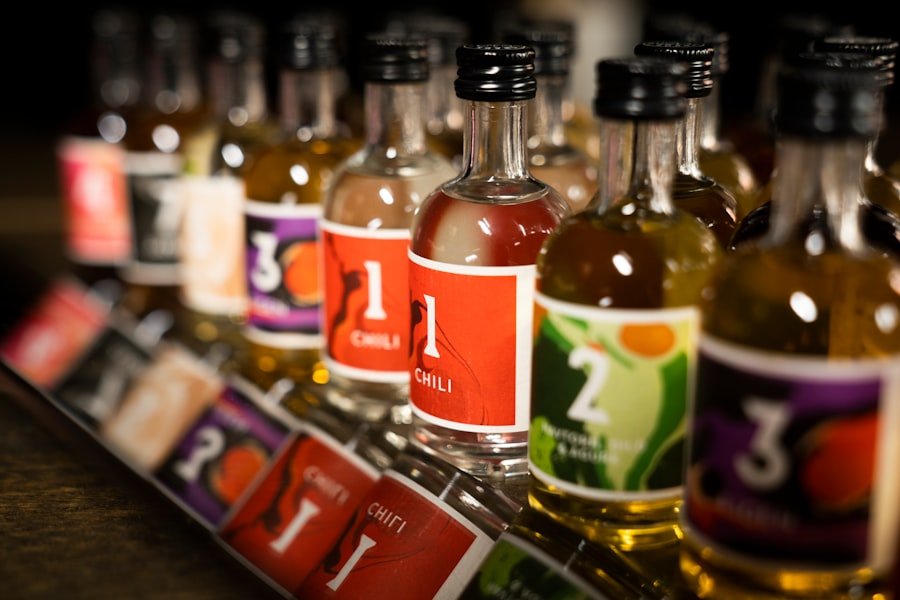
Packing liquids for air travel requires careful consideration and organization. To comply with Canada’s airport liquid rules effectively, travelers should start by selecting appropriate containers for their liquids. Travel-sized bottles that hold no more than 100 ml are widely available and can help ensure compliance with regulations.
It’s also beneficial to label these containers clearly to avoid confusion during security checks. Another useful tip is to pack the resealable plastic bag at the top of your carry-on luggage for easy access during security screening. This allows you to quickly present your liquids for inspection without rummaging through your bag.
Additionally, consider using solid alternatives where possible; for instance, solid deodorants or bar soaps can eliminate the need for liquid containers altogether. By planning ahead and organizing your liquids efficiently, you can minimize delays and enhance your travel experience.
Security Screening Process for Liquids at Canadian Airports
The security screening process for liquids at Canadian airports involves several steps designed to ensure passenger safety while maintaining efficiency. Upon arriving at the security checkpoint, travelers will be required to remove their resealable plastic bag containing liquids from their carry-on luggage and place it in a designated bin for screening. Security personnel will then use advanced imaging technology to inspect these items for any potential threats.
It’s important for passengers to remain patient during this process, as thorough checks are essential for maintaining safety standards. In some cases, additional screening may be required if an item raises suspicion or if there are concerns about its contents. Travelers should be prepared for this possibility and cooperate with security staff to facilitate a smooth screening experience.
Regulations for Duty-Free Liquids
Duty-free shopping offers travelers an opportunity to purchase goods without paying local taxes or duties; however, there are specific regulations regarding duty-free liquids that must be adhered to when traveling through Canadian airports. Passengers who buy duty-free liquids must ensure that these items are sealed in tamper-evident bags provided by the retailer at the time of purchase. These bags must remain sealed until reaching their final destination.
It’s crucial for travelers to understand that if they have connecting flights after purchasing duty-free liquids, they may face additional scrutiny at security checkpoints in transit airports. In some cases, duty-free liquids may not be allowed through security if they exceed the standard size limits unless they remain sealed in their original packaging. Therefore, it’s advisable for travelers to familiarize themselves with the specific regulations of their connecting airports to avoid any complications.
Guidelines for Medications and Baby Formula
Traveling with medications and baby formula requires special attention due to their essential nature. As previously mentioned, medications are exempt from the 3-1-1 rule; however, passengers should declare these items at security screening and may need to provide documentation or prescriptions as proof of necessity. It’s advisable to keep medications in their original packaging whenever possible to facilitate identification.
For parents traveling with infants, baby formula and breast milk can also be carried in larger quantities than 100 ml without restriction. However, it’s recommended that parents inform security personnel about these items during screening and have them readily accessible for inspection. Additionally, bringing along necessary feeding supplies such as bottles or spoons can help streamline the process while ensuring that infants’ needs are met during travel.
Consequences of Violating Canada Airport Liquid Rules
Failing to comply with Canada’s airport liquid rules can lead to various consequences that may disrupt travel plans significantly. Passengers who attempt to bring prohibited liquids through security may have their items confiscated by security personnel. In some cases, individuals may face delays as they are required to dispose of non-compliant items before proceeding through security.
Moreover, repeated violations or attempts to bypass these regulations could result in more severe consequences, including fines or being barred from future flights with certain airlines. It’s essential for travelers to familiarize themselves with these rules before heading to the airport to avoid unnecessary complications and ensure a smooth travel experience.
Conclusion and Additional Resources
Navigating Canada’s airport liquid rules can seem daunting at first glance; however, understanding these regulations is crucial for ensuring a hassle-free travel experience. By familiarizing yourself with the 3-1-1 rule and its exceptions, as well as adhering to guidelines for packing liquids effectively, you can minimize delays and enhance your journey through airport security. For further information on Canada’s airport liquid rules and other travel-related inquiries, resources such as Transport Canada’s official website and CATSA’s guidelines provide comprehensive details and updates on current regulations.
Staying informed will empower travelers to make educated decisions about what they can bring on board and how best to prepare for their flights.
When traveling through Canadian airports, it is important to be aware of the liquids rules in place to ensure a smooth and efficient security screening process. For more information on in-flight safety regulations, check out this article on in-flight safety. Understanding these rules can help passengers navigate the security checkpoints with ease and avoid any delays or issues. Additionally, for a comfortable and stylish flying experience, consider upgrading to Air Canada’s premium economy class as discussed in this article on Air Canada premium economy.
FAQs
What are the liquid rules for airports in Canada?
In Canada, the liquid rules for airports follow the guidelines set by the Canadian Air Transport Security Authority (CATSA). Passengers are allowed to bring liquids, gels, and aerosols in containers of 100 milliliters or less, and all containers must be placed in a single, clear, resealable plastic bag with a maximum capacity of 1 liter.
What types of liquids are allowed in carry-on luggage at Canadian airports?
Passengers are allowed to bring essential liquids such as toiletries, medications, and baby formula in their carry-on luggage at Canadian airports. These liquids must adhere to the 100 milliliter container limit and be placed in a clear, resealable plastic bag.
Are there any exceptions to the liquid rules at Canadian airports?
There are some exceptions to the liquid rules at Canadian airports, such as medications, baby formula, and essential liquids for medical reasons. These items are allowed in quantities exceeding 100 milliliters, but passengers may be required to provide additional documentation or undergo additional screening.
What happens if I bring more than the allowed amount of liquids in my carry-on luggage at a Canadian airport?
If a passenger brings more than the allowed amount of liquids in their carry-on luggage at a Canadian airport, they may be required to dispose of the excess liquids at the security checkpoint. It’s important to adhere to the liquid rules to avoid delays and inconvenience during the security screening process.