Air Canada, as the country’s largest airline, places a paramount emphasis on the safety and well-being of its passengers. The cabin safety rules established by Air Canada are designed not only to comply with national and international aviation regulations but also to foster a culture of safety among travelers. These rules encompass a wide range of protocols, from the proper use of seatbelts to the stowing of carry-on luggage, ensuring that every passenger is well-informed and prepared for their journey.
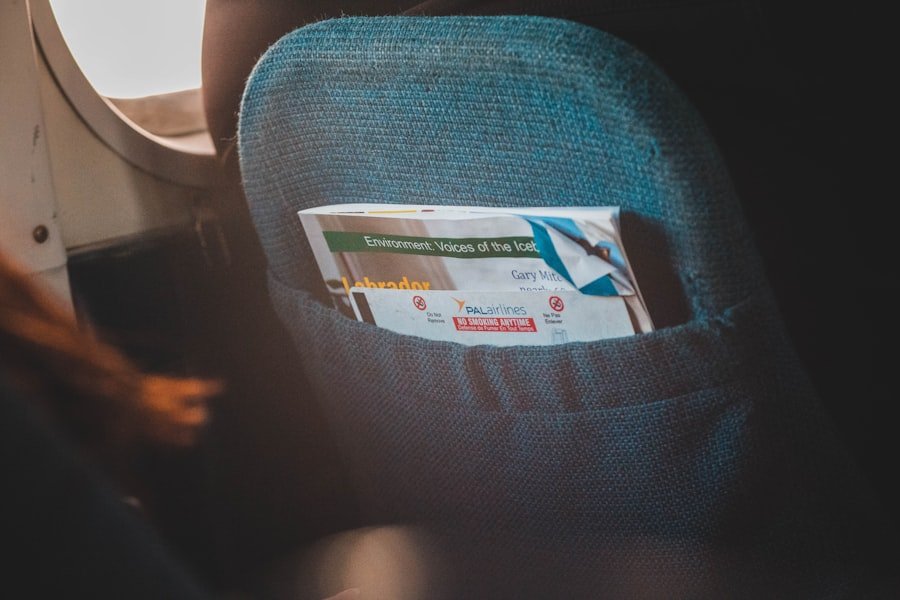
Understanding these guidelines is crucial for enhancing the overall flying experience and ensuring that safety remains a shared responsibility between the airline and its passengers. The cabin safety rules are communicated through various means, including pre-flight briefings, safety cards located in the seat pockets, and in-flight announcements made by the cabin crew. These measures are intended to ensure that all passengers, regardless of their flying experience, are aware of the necessary precautions to take during their flight.
By familiarizing themselves with these rules, passengers can contribute to a safer environment onboard, making their journey more enjoyable and secure.
Key Takeaways
- Air Canada Cabin Safety Rules are crucial for the safety and well-being of all passengers and crew members.
- Understanding emergency exits and procedures is essential for being prepared in case of an emergency situation during a flight.
- Seatbelt usage is of utmost importance to ensure the safety and security of passengers during takeoff, landing, and turbulent conditions.
- Passengers should adhere to guidelines for stowing carry-on luggage to prevent injuries and obstruction during emergency situations.
- Smoking is strictly prohibited on board Air Canada flights to maintain a safe and healthy environment for everyone on board.
Understanding Emergency Exits and Procedures
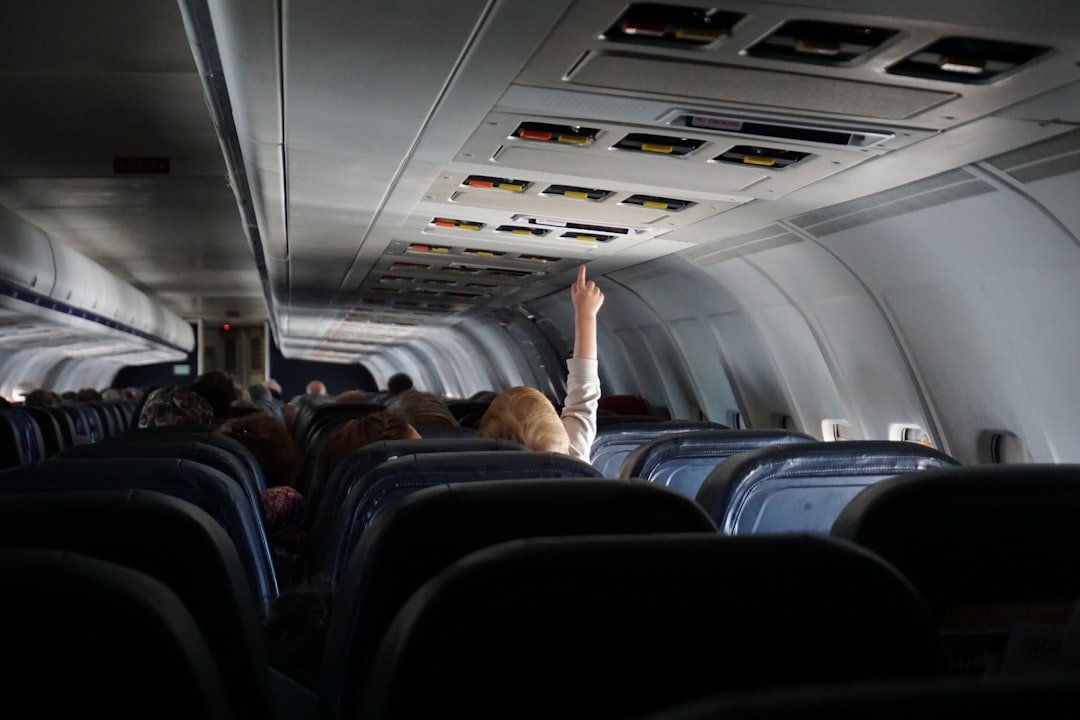
Emergency exits are critical components of aircraft safety, designed to facilitate a swift evacuation in case of an emergency. Air Canada aircraft are equipped with multiple emergency exits, strategically located throughout the cabin to ensure that passengers can exit quickly and efficiently. Each exit is clearly marked with illuminated signs and is accompanied by detailed instructions on how to operate them.
Passengers are encouraged to familiarize themselves with the location of these exits upon boarding, as this knowledge can be vital in an emergency situation. In addition to knowing where the emergency exits are located, understanding the procedures for using them is equally important. During the pre-flight safety briefing, cabin crew members provide essential information on how to open the exits and what actions to take in case of an evacuation.
Passengers should pay close attention to these instructions, as they may vary depending on the aircraft type. For instance, some exits may require the removal of an exit door, while others may involve deploying an inflatable slide. Familiarity with these procedures can significantly reduce panic and confusion during an emergency.
Importance of Seatbelt Usage
The use of seatbelts is one of the most fundamental safety measures in aviation. Air Canada mandates that all passengers wear their seatbelts whenever they are seated, particularly during takeoff, landing, and periods of turbulence. The seatbelt serves as a crucial restraint system that helps prevent injuries caused by sudden movements or unexpected turbulence.
It is essential for passengers to ensure that their seatbelts are fastened low across their lap and adjusted snugly for maximum effectiveness. In addition to protecting passengers during flight, wearing a seatbelt also plays a role in compliance with aviation regulations. Flight attendants will often remind passengers to buckle up before takeoff and landing, as well as during turbulent conditions.
Ignoring these instructions not only jeopardizes individual safety but can also lead to potential disruptions for the entire cabin. By adhering to seatbelt regulations, passengers contribute to a safer flying environment for themselves and their fellow travelers.
Guidelines for Stowing Carry-On Luggage
| Guidelines for Stowing Carry-On Luggage |
|---|
| 1. Size Limit: 22 x 14 x 9 inches |
| 2. Weight Limit: Varies by airline, typically 15-40 lbs |
| 3. Place heavier items at the bottom of the bag |
| 4. Use compartments and pockets to organize items |
| 5. Follow TSA guidelines for liquids, gels, and aerosols |
Proper stowage of carry-on luggage is another critical aspect of cabin safety that Air Canada emphasizes. Passengers are required to store their bags securely in the overhead compartments or under the seat in front of them. This practice is essential for preventing injuries that could occur if items were to shift or fall during turbulence or an emergency landing.
Air Canada provides specific guidelines regarding the size and weight of carry-on luggage to ensure that it can be safely accommodated within the aircraft’s storage areas. Passengers should also be mindful of how they stow their luggage. Heavy items should be placed at the bottom of the overhead compartments, while lighter items can be placed on top.
This arrangement helps maintain balance and stability within the cabin. Additionally, it is advisable for passengers to avoid overloading compartments, as this can lead to difficulty in closing them securely. By following these guidelines, travelers can help maintain a safe and organized cabin environment.
Prohibition of Smoking on Board
Air Canada enforces a strict no-smoking policy on all its flights, which is in line with regulations set forth by aviation authorities worldwide. This prohibition extends not only to traditional tobacco products but also includes electronic cigarettes and vaping devices. The rationale behind this policy is rooted in safety concerns; smoking poses a significant fire hazard in an enclosed space like an aircraft cabin.
The presence of flammable materials and oxygen systems makes any form of smoking particularly dangerous during flight. Passengers are informed about this policy through various channels, including pre-flight announcements and signage throughout the cabin. Violating this rule can result in severe penalties, including fines or legal action upon landing.
Moreover, smoking onboard can create discomfort for other passengers due to secondhand smoke exposure. By adhering to the no-smoking policy, travelers contribute to a healthier and safer environment for everyone onboard.
Safety Instructions for Children and Infants
Safety Protocols for Infants
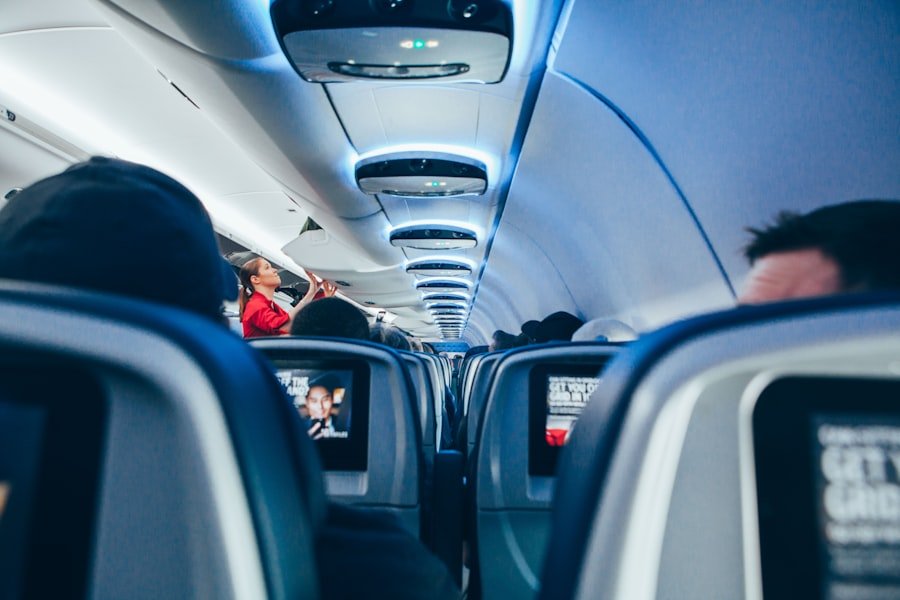
When traveling with infants on Air Canada flights, it is recommended that parents use approved child safety seats that meet specific safety standards. These seats should be installed according to the airline’s guidelines to ensure the infant’s safety during the flight. Additionally, parents should ensure that they have all necessary supplies for their infants, such as diapers and food, readily accessible during the flight.
Preparing Older Children for Flight
For older children, it is essential to explain safety procedures in a way they can understand. This includes teaching them how to use seatbelts properly and what to do in case of an emergency. By educating them on these procedures, parents can help ensure their child’s safety and well-being during the flight.
Important Reminders for Parents and Guardians
Parents or guardians are encouraged to familiarize themselves with Air Canada’s guidelines for traveling with children and infants before their trip. These guidelines may differ based on the age of the child and the type of flight, so it is crucial to review them carefully to ensure a safe and enjoyable journey for all.
Use of Electronic Devices during Flight
The use of electronic devices during flights has evolved significantly over recent years, with Air Canada adapting its policies accordingly. Passengers are generally permitted to use personal electronic devices such as smartphones, tablets, and e-readers during flight, provided they are set to airplane mode. This policy allows travelers to stay connected or entertained while ensuring that devices do not interfere with the aircraft’s navigation systems.
However, there are specific times when electronic devices must be turned off or stowed away, particularly during takeoff and landing phases when safety is paramount. Flight attendants will make announcements regarding when it is safe to use devices again after takeoff or before landing. Passengers should remain attentive to these instructions and comply promptly to ensure a smooth operation during critical phases of flight.
Emergency Oxygen Mask and Life Jacket Usage
In the unlikely event of cabin depressurization or other emergencies requiring supplemental oxygen, Air Canada provides oxygen masks that automatically deploy from overhead compartments. Passengers should familiarize themselves with the location of these masks as part of their pre-flight safety briefing. When oxygen masks drop down, it is crucial for passengers to secure their own masks before assisting others, particularly children or those who may need help.
Life jackets are another essential safety feature on Air Canada flights, particularly for overwater routes. Each passenger seat is equipped with a life jacket stored beneath or beside it. In case of an emergency water landing, passengers must follow specific instructions provided by the cabin crew regarding how to don the life jacket properly.
Understanding how to use these safety devices can significantly enhance survival chances in emergency situations.
Safety Tips for Turbulence and In-Flight Incidents
Turbulence is a common occurrence during flights and can range from mild bumps to more severe jolts. Air Canada advises passengers to remain seated with their seatbelts fastened whenever possible, even if the seatbelt sign is turned off. This precaution helps prevent injuries caused by unexpected turbulence that may occur without warning.
Passengers should also avoid moving about the cabin during turbulent conditions unless absolutely necessary. In-flight incidents can vary from medical emergencies to disruptive behavior by fellow passengers. In such cases, it is essential for travelers to remain calm and alert cabin crew members immediately if assistance is needed.
Air Canada’s trained staff are equipped to handle various situations effectively and will prioritize passenger safety above all else. By being aware of these potential incidents and knowing how to respond appropriately, passengers can contribute to maintaining a safe atmosphere onboard.
Protocol for Evacuation and Emergency Landings
In the event of an emergency landing or evacuation, Air Canada has established clear protocols designed to facilitate a swift and orderly exit from the aircraft. Passengers should listen carefully to instructions provided by flight attendants during such situations, as they will guide everyone through the evacuation process based on specific circumstances encountered during the flight. Passengers should also be aware that they may need to leave personal belongings behind during an evacuation; prioritizing human life over material possessions is crucial in emergencies.
The use of emergency slides may be necessary for rapid evacuation; therefore, understanding how to exit quickly while remaining calm is vital for ensuring everyone’s safety. Familiarity with evacuation procedures can significantly reduce panic and confusion during critical moments.
Prioritizing Safety and Compliance with Air Canada Cabin Rules
Air Canada’s cabin safety rules are designed not only to comply with regulatory requirements but also to create a safe environment for all passengers onboard. By understanding emergency exits and procedures, adhering to seatbelt regulations, stowing luggage properly, respecting smoking prohibitions, following guidelines for children’s safety, using electronic devices responsibly, knowing how to utilize oxygen masks and life jackets effectively, being prepared for turbulence and in-flight incidents, and understanding evacuation protocols, travelers can play an active role in ensuring their own safety as well as that of others. Ultimately, prioritizing compliance with these rules enhances not only individual safety but also contributes positively to the overall flying experience aboard Air Canada flights.
By fostering a culture of awareness and responsibility among passengers, Air Canada continues its commitment to providing safe air travel while ensuring that every journey remains enjoyable and secure.
Air Canada has strict cabin safety rules in place to ensure the well-being of all passengers on board. These rules cover everything from seatbelt usage to emergency procedures. For more information on Air Canada’s safety measures, you can visit their website here. Additionally, if you are curious about how often Air Canada cancels flights, you can read more about it in this article here.
FAQs
What are Air Canada’s cabin safety rules?
Air Canada’s cabin safety rules include regulations for seatbelt usage, electronic device usage, carry-on baggage stowage, and emergency procedures.
Are there specific rules for electronic devices on Air Canada flights?
Yes, Air Canada has specific rules for electronic devices, including when they must be turned off and stowed during takeoff and landing.
What are the rules for carry-on baggage on Air Canada flights?
Passengers are required to stow their carry-on baggage in the overhead bins or under the seat in front of them during takeoff and landing. There are also size and weight restrictions for carry-on baggage.
What are the emergency procedures on Air Canada flights?
Air Canada provides safety demonstrations before takeoff, which include instructions on how to use the oxygen masks, life vests, and emergency exits in the event of an emergency.
Are there specific rules for seatbelt usage on Air Canada flights?
Passengers are required to fasten their seatbelts during takeoff, landing, and whenever the seatbelt sign is illuminated during the flight. It is also recommended to keep the seatbelt fastened while seated in case of unexpected turbulence.