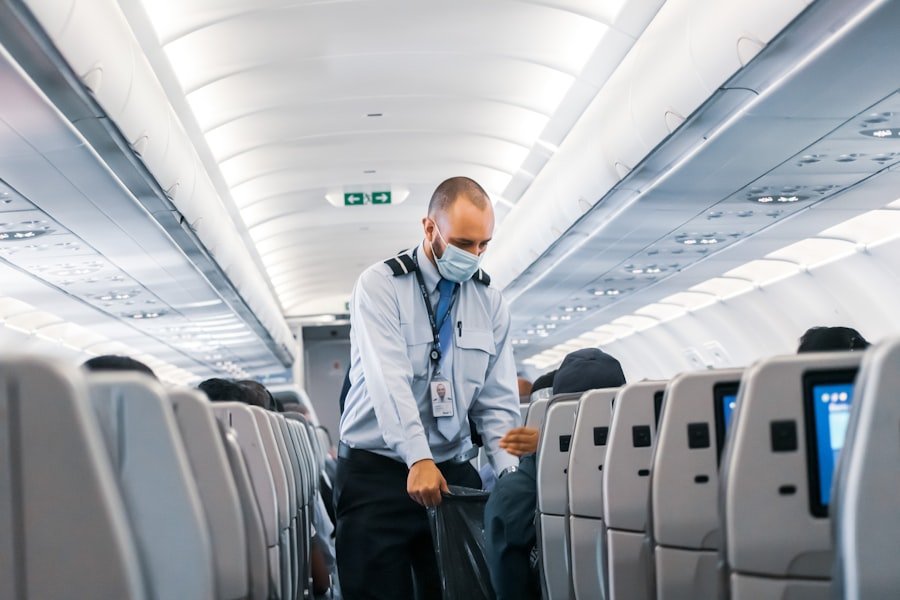
Oxygen mask instructions are a critical component of airline safety protocols, designed to ensure passenger safety in the event of cabin depressurization. The significance of these instructions cannot be overstated, as they provide essential guidance on how to respond during a potentially life-threatening situation. In the rare event that an aircraft experiences a loss of cabin pressure, the availability of supplemental oxygen becomes vital for maintaining consciousness and preventing hypoxia, a condition caused by insufficient oxygen reaching the brain.
Understanding how to properly use an oxygen mask can mean the difference between life and death. Moreover, the clarity and effectiveness of oxygen mask instructions are paramount. Passengers must be able to quickly comprehend and execute the steps outlined in these instructions without panic or confusion.
This is particularly important in high-stress situations where time is of the essence. The instructions are designed to be straightforward, often accompanied by visual aids, ensuring that even those who may not be fluent in the primary language spoken on the flight can grasp the necessary actions. The emphasis on these instructions during pre-flight safety briefings underscores their importance in aviation safety culture.
Key Takeaways
- Importance of Oxygen Mask Instructions:
- Following oxygen mask instructions can save lives in the event of an emergency.
- Passengers should pay close attention to safety demonstrations for proper usage.
- Location of Oxygen Masks on Air Canada Flights:
- Oxygen masks are located above each passenger seat on Air Canada flights.
- They will drop down automatically if cabin pressure drops.
- How to Use the Oxygen Mask:
- Pull the mask down to start the flow of oxygen.
- Place the mask over your nose and mouth and secure it with the elastic band.
- When to Use the Oxygen Mask:
- Use the mask if cabin pressure drops, causing a loss of oxygen.
- Safety Precautions for Using the Oxygen Mask:
- Secure your own mask before assisting others, including children.
- Breathe normally and do not remove the mask until instructed by the flight crew.
Location of Oxygen Masks on Air Canada Flights
On Air Canada flights, oxygen masks are strategically located within the passenger cabin to ensure quick access in emergencies. Typically, these masks are housed in compartments above each row of seats, often integrated into the overhead bins. In most aircraft configurations, passengers will find the masks concealed behind a panel that drops down when activated by a loss of cabin pressure.
This design allows for immediate access to the masks without requiring passengers to search for them in a chaotic environment. The placement of oxygen masks is not arbitrary; it is meticulously planned to maximize efficiency and accessibility. For instance, in larger aircraft, there may be multiple oxygen mask compartments to accommodate the number of passengers on board.
Each mask is connected to an oxygen supply system that activates automatically when needed. Understanding where these masks are located before takeoff can help passengers feel more secure and prepared for any unforeseen circumstances during their flight.
How to Use the Oxygen Mask
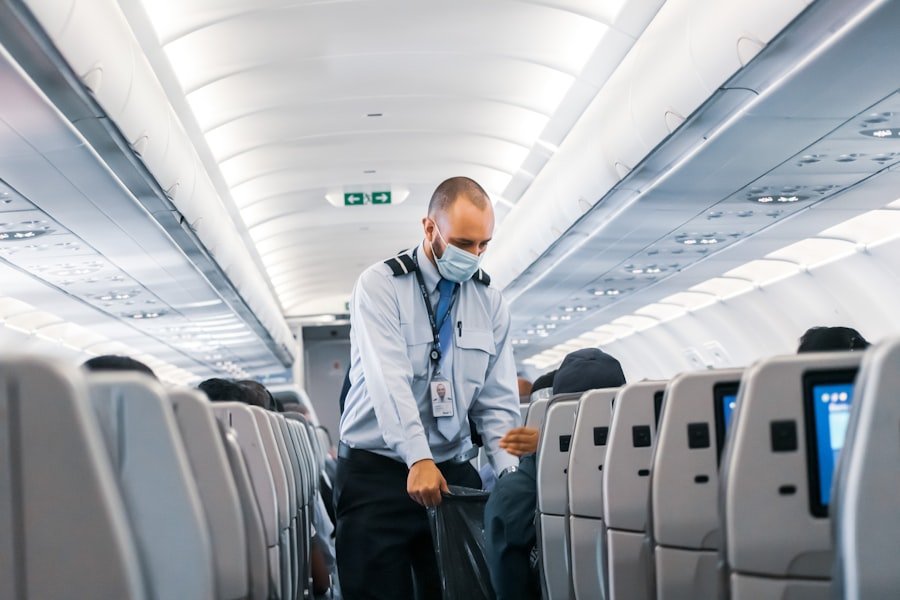
Using an oxygen mask correctly is crucial for ensuring that passengers receive the necessary oxygen during an emergency. When the oxygen masks drop down, the first step is to remain calm and reach for the mask. Passengers should pull the mask towards them to extend the tubing, which will allow them to position it comfortably over their nose and mouth.
It is essential to secure the mask by placing the elastic band around the back of the head, ensuring a snug fit that prevents any leakage of oxygen. Once the mask is in place, passengers should breathe normally. The oxygen flow will begin automatically once the mask is secured over the face.
It is important to note that while it may feel strange at first, breathing through the mask will provide a steady supply of oxygen, helping to alleviate feelings of panic or anxiety. Passengers should avoid removing the mask until they are certain that it is safe to do so, as this could lead to a dangerous drop in oxygen levels.
When to Use the Oxygen Mask
| Scenario | Action |
|---|---|
| Loss of cabin pressure | Put on your own mask before helping others |
| Emergency descent | Put on your own mask before helping others |
| Smoke or fumes in the cabin | Put on your own mask before helping others |
The use of an oxygen mask is typically prompted by specific scenarios involving cabin depressurization. This can occur due to various reasons, such as structural failure, a malfunctioning door seal, or even extreme weather conditions that affect cabin pressure. In such cases, passengers will receive an alert from the flight crew, often accompanied by visual cues such as the sudden deployment of oxygen masks from their compartments.
It is crucial for passengers to understand that they should put on their masks immediately upon deployment, even if they do not feel any immediate symptoms of distress. The effects of hypoxia can manifest quickly and may not be immediately noticeable. Therefore, even if a passenger feels fine at first, they should prioritize securing their mask as soon as it becomes available.
This proactive approach can help prevent any adverse effects from low oxygen levels during critical moments.
Safety Precautions for Using the Oxygen Mask
While using an oxygen mask is generally straightforward, there are several safety precautions that passengers should keep in mind to ensure their well-being during an emergency. First and foremost, it is essential to remain calm and composed when faced with a situation requiring the use of an oxygen mask. Panic can lead to hasty decisions that may compromise safety; therefore, taking a moment to breathe deeply and focus on following instructions can be beneficial.
Additionally, passengers should avoid attempting to assist others with their masks until they have secured their own. The rationale behind this guideline is simple: if a passenger becomes incapacitated due to low oxygen levels while trying to help someone else, both individuals may be at risk. Once they have ensured their own safety by properly using their mask, they can then assist others as needed.
This approach emphasizes personal responsibility while also fostering a culture of mutual support among passengers.
Ensuring Proper Fit of the Oxygen Mask
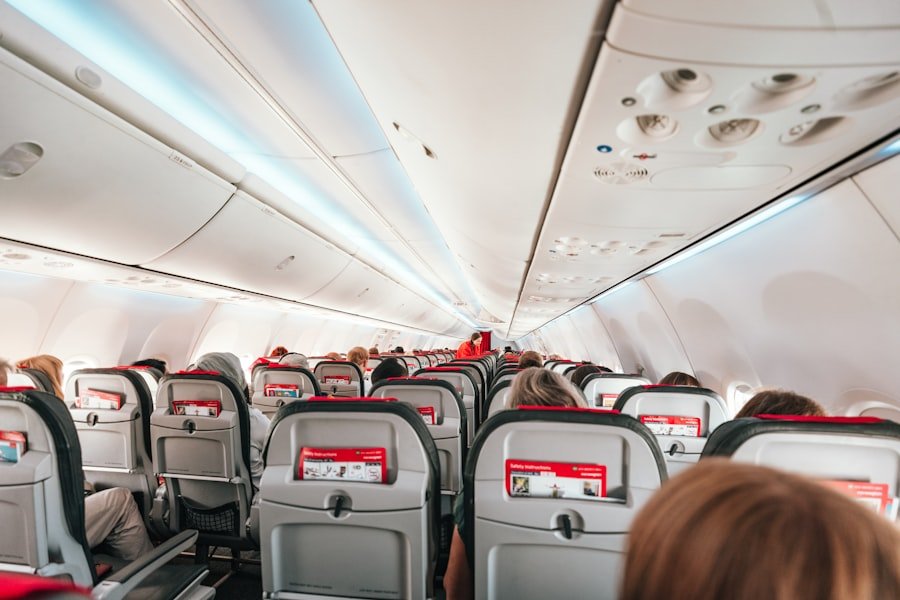
A proper fit of the oxygen mask is essential for effective operation during an emergency situation. To ensure that the mask fits correctly, passengers should adjust the elastic straps so that the mask sits snugly over both the nose and mouth without causing discomfort. A well-fitted mask will create a seal that prevents outside air from entering and ensures that the oxygen supplied is delivered efficiently.
Passengers should also be aware that facial hair or other obstructions can affect the fit of the mask. For individuals with beards or mustaches, it may be more challenging to achieve a proper seal, which could compromise oxygen delivery. In such cases, it is advisable for passengers to familiarize themselves with how their specific mask fits prior to takeoff so they can make any necessary adjustments or seek assistance from flight attendants if needed.
Assisting Others with Their Oxygen Masks
In situations where multiple passengers need assistance with their oxygen masks, it is vital to approach this task methodically and safely. After securing their own masks, passengers can help those around them who may be struggling or panicking. It is important to communicate clearly and calmly with others while providing assistance; this can help alleviate anxiety and ensure that everyone understands what needs to be done.
When assisting others, passengers should first check if they are wearing their own masks correctly before offering help. If someone appears disoriented or unable to follow instructions, providing gentle guidance can be beneficial. For example, guiding them through the steps of securing their mask or helping them adjust it for a better fit can make a significant difference in their ability to breathe comfortably during an emergency.
Communicating with the Flight Crew During Oxygen Mask Use
Effective communication with flight crew members during an emergency involving oxygen masks is crucial for ensuring passenger safety and managing the situation effectively. Passengers should remember that flight attendants are trained professionals who are equipped to handle emergencies and provide assistance as needed. If a passenger encounters difficulties with their mask or observes someone else struggling, they should signal for help rather than attempting to resolve the issue independently.
In addition to signaling for assistance, passengers should also listen carefully to any announcements made by the flight crew during such emergencies. Flight attendants may provide specific instructions or updates regarding cabin conditions that are essential for passenger safety. Remaining attentive and responsive to these communications can help facilitate a smoother resolution to any issues arising from cabin depressurization.
Potential Risks of Not Using the Oxygen Mask
Failing to use an oxygen mask when required poses significant risks that can lead to severe health consequences or even fatalities. One of the primary dangers associated with neglecting to wear an oxygen mask during cabin depressurization is hypoxia, which can impair cognitive function and physical coordination within seconds. Symptoms such as dizziness, confusion, and loss of consciousness can occur rapidly as oxygen levels drop.
Moreover, individuals who delay or refuse to use an oxygen mask may inadvertently put others at risk as well. In a confined space like an aircraft cabin, one person’s decision not to secure their mask can create additional challenges for flight attendants and other passengers who may need assistance or support during an emergency situation. The collective responsibility for safety underscores why it is imperative for all passengers to adhere strictly to safety protocols regarding oxygen masks.
Familiarizing Yourself with the Oxygen Mask Before Takeoff
Familiarizing oneself with the location and operation of oxygen masks before takeoff is an essential step in preparing for air travel. Passengers should take note of where their nearest oxygen masks are located upon boarding and review any instructional materials provided by the airline. This proactive approach not only enhances individual preparedness but also contributes to overall cabin safety.
Airlines often provide safety cards in seat pockets that detail how to use oxygen masks along with other emergency procedures. Passengers should take a moment to read through these cards and understand how to operate their masks effectively in case of an emergency. By doing so, they can alleviate potential anxiety about what might happen during a flight and feel more confident in their ability to respond appropriately if needed.
Reviewing Oxygen Mask Instructions During Safety Demonstrations
Safety demonstrations conducted by flight attendants before takeoff serve as an invaluable opportunity for passengers to review important information regarding oxygen masks and other safety protocols. During these demonstrations, flight attendants typically explain how to locate and use oxygen masks while also highlighting key safety features specific to that aircraft model. Passengers should pay close attention during these demonstrations, as they often include visual aids that enhance understanding of how to operate oxygen masks effectively.
Engaging with this information not only reinforces individual knowledge but also fosters a culture of safety awareness among all passengers on board. By actively participating in these demonstrations—whether through asking questions or simply observing—passengers can better prepare themselves for any potential emergencies that may arise during their flight experience.
If you’re flying with Air Canada and want to ensure a smooth and safe journey, it’s important to familiarize yourself with the oxygen mask instructions. These instructions can be crucial in the event of an emergency, so it’s essential to know how to properly use them. For more information on Air Canada’s premium economy class and how it can enhance your flight experience, check out this article.
FAQs
What are the instructions for using an oxygen mask on Air Canada flights?
The instructions for using an oxygen mask on Air Canada flights are typically provided in the safety demonstration at the beginning of the flight. Passengers are instructed to pull the mask down from the overhead compartment, place it over their nose and mouth, and secure it with the elastic band. They are then advised to breathe normally and assist others, such as children, before helping themselves.
When should passengers use the oxygen masks on Air Canada flights?
Passengers should use the oxygen masks on Air Canada flights in the event of a sudden loss of cabin pressure. This can occur during an emergency situation, such as a rapid descent or depressurization of the aircraft.
Are there any specific guidelines for using the oxygen masks on Air Canada flights?
Passengers are advised to follow the specific instructions provided by the flight attendants during the safety demonstration. It is important to remain calm and follow the guidance of the crew in the event of an emergency.
What should passengers do if they have difficulty using the oxygen masks on Air Canada flights?
If passengers have difficulty using the oxygen masks on Air Canada flights, they should immediately alert a flight attendant for assistance. The crew members are trained to handle emergency situations and can provide the necessary support.