Air Canada, the flag carrier and largest airline of Canada, boasts a diverse and extensive fleet that plays a crucial role in its operations. With a history dating back to 1937, the airline has evolved significantly, adapting to changing market demands and technological advancements. Today, Air Canada’s fleet comprises a mix of narrow-body and wide-body aircraft, enabling it to serve both domestic and international routes efficiently.
The airline’s commitment to providing a reliable and comfortable travel experience is reflected in its choice of aircraft, which includes models from leading manufacturers such as Boeing and Airbus. The current fleet includes a variety of aircraft types, each selected for specific operational needs. From the robust Boeing 777s that facilitate long-haul international flights to the nimble Airbus A220s that cater to regional routes, Air Canada’s fleet is designed to optimize performance while ensuring passenger comfort.
As the airline continues to expand its network and enhance its service offerings, the importance of maintaining a modern and efficient fleet cannot be overstated. This article delves into the various aircraft that comprise Air Canada’s fleet, the necessity for modernization, and the implications for passenger experience and environmental sustainability.
Key Takeaways
- Air Canada’s fleet modernization is driven by the need for efficiency, passenger comfort, and environmental sustainability.
- The Boeing 787 Dreamliner offers fuel efficiency, long-range capabilities, and enhanced passenger comfort with features like larger windows and improved air quality.
- The Airbus A220 is a fuel-efficient and environmentally friendly aircraft with a focus on passenger comfort and spacious cabin design.
- The Boeing 737 MAX is a key part of Air Canada’s fleet modernization, offering fuel efficiency and advanced technology, despite recent grounding and safety concerns.
- The Airbus A321neo provides fuel efficiency, range, and capacity, making it a versatile and cost-effective addition to Air Canada’s fleet.
The Need for Modernization
In an industry characterized by rapid technological advancements and shifting consumer preferences, the need for fleet modernization is paramount. Air Canada recognizes that an aging fleet can lead to increased operational costs, reduced fuel efficiency, and diminished passenger satisfaction. As airlines worldwide face pressure to enhance their environmental performance and improve profitability, modernizing the fleet becomes a strategic imperative.
Newer aircraft models are designed with advanced materials and technologies that significantly reduce fuel consumption and emissions, aligning with global sustainability goals. Moreover, the competitive landscape of the airline industry necessitates that carriers like Air Canada remain agile and responsive to market trends. Modern aircraft not only offer improved operational efficiencies but also come equipped with enhanced passenger amenities that cater to evolving consumer expectations.
As travelers increasingly prioritize comfort, connectivity, and overall experience, Air Canada must invest in its fleet to meet these demands while maintaining its position as a leading airline in North America.
The Boeing 787 Dreamliner

One of the cornerstones of Air Canada’s modernization efforts is the incorporation of the Boeing 787 Dreamliner into its fleet. This state-of-the-art aircraft is renowned for its fuel efficiency, advanced aerodynamics, and passenger-friendly features. The Dreamliner utilizes composite materials that reduce weight and enhance fuel economy, allowing airlines to operate longer routes with lower operational costs.
Air Canada has strategically deployed the 787 on various international routes, capitalizing on its range capabilities and operational efficiency. The passenger experience aboard the Boeing 787 is markedly enhanced by features such as larger windows, improved cabin pressure, and quieter engines. The aircraft’s design allows for a more comfortable flying experience, reducing fatigue on long-haul flights.
Additionally, the Dreamliner is equipped with advanced in-flight entertainment systems and connectivity options that cater to the tech-savvy traveler. By integrating the Boeing 787 into its fleet, Air Canada not only improves its operational efficiency but also elevates the overall travel experience for its passengers.
The Airbus A220
| Specification | Airbus A220-100 | Airbus A220-300 |
|---|---|---|
| Seating Capacity | 100-120 passengers | 130-160 passengers |
| Range | 3,100 nmi (5,700 km) | 3,350 nmi (6,204 km) |
| Length | 35.0 m (114 ft 10 in) | 38.7 m (127 ft 0 in) |
| Wingspan | 35.1 m (115 ft 1 in) | 35.1 m (115 ft 1 in) |
| Max Takeoff Weight | 60,780 kg (134,000 lb) | 67,585 kg (149,000 lb) |
Another significant addition to Air Canada’s fleet is the Airbus A220, a modern narrow-body aircraft designed specifically for short- to medium-haul routes. Originally developed by Bombardier as the CSeries, the A220 has gained recognition for its exceptional fuel efficiency and performance characteristics. Air Canada has embraced this aircraft as part of its strategy to enhance regional connectivity while maintaining cost-effectiveness.
The A220’s design incorporates advanced aerodynamics and lightweight materials, resulting in lower fuel consumption compared to older aircraft models. This efficiency translates into reduced operating costs for Air Canada, allowing the airline to offer competitive fares on regional routes. Furthermore, the A220 features a spacious cabin layout with larger windows and improved seating configurations, providing passengers with a more comfortable travel experience.
As Air Canada continues to expand its regional services, the A220 plays a pivotal role in meeting demand while ensuring operational efficiency.
The Boeing 737 MAX
The Boeing 737 MAX represents another critical component of Air Canada’s fleet modernization strategy. Despite facing challenges in its initial rollout due to safety concerns, the MAX has been reintroduced with enhanced safety features and operational improvements. This aircraft is designed for short- to medium-haul flights and offers significant advancements in fuel efficiency compared to its predecessors.
Air Canada’s decision to incorporate the 737 MAX into its fleet reflects a commitment to leveraging modern technology for improved performance. The aircraft’s engines are designed to be quieter and more fuel-efficient, contributing to lower emissions per passenger mile. Additionally, the MAX features updated cabin designs that enhance passenger comfort through improved seating arrangements and in-flight entertainment options.
As Air Canada navigates the complexities of post-pandemic travel recovery, the 737 MAX positions the airline to meet growing demand while adhering to stringent safety standards.
The Airbus A321neo
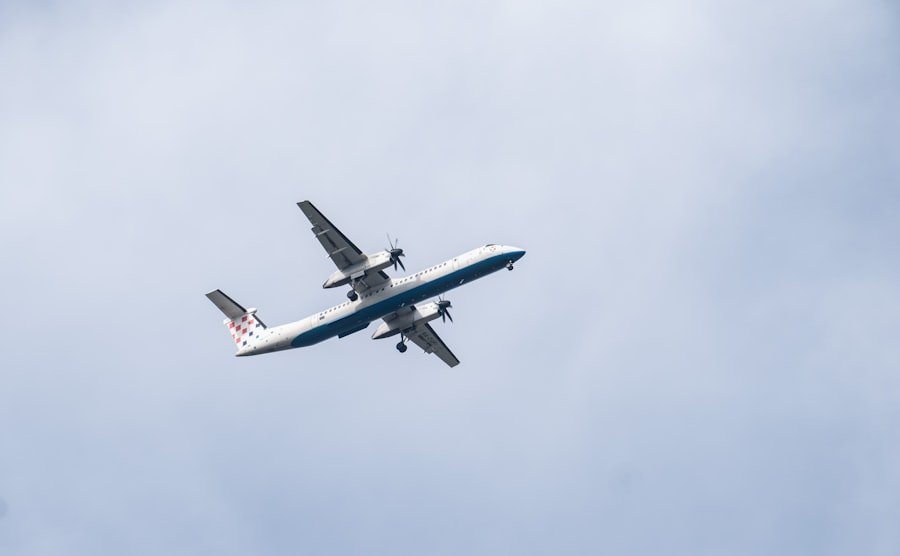
The Airbus A321neo is another key player in Air Canada’s fleet modernization efforts. This aircraft is part of Airbus’s A320 family and is designed for short- to medium-haul operations. The A321neo incorporates advanced engine technology that significantly reduces fuel consumption and emissions compared to earlier models.
With its increased range capabilities, this aircraft allows Air Canada to serve a broader array of destinations efficiently. One of the standout features of the A321neo is its cabin configuration flexibility. Airlines can customize seating arrangements to accommodate various passenger loads while maximizing comfort.
Air Canada has taken advantage of this flexibility by offering a range of seating options that cater to both business and leisure travelers. The A321neo also boasts quieter cabins due to its advanced engine technology, enhancing the overall passenger experience during flights. As Air Canada continues to expand its route network, the A321neo serves as a vital asset in meeting operational demands while prioritizing passenger comfort.
The Future of Air Canada’s Fleet
Looking ahead, Air Canada is poised to continue evolving its fleet in response to changing market dynamics and technological advancements. The airline’s commitment to modernization will likely involve further investments in next-generation aircraft that prioritize fuel efficiency and passenger comfort. As airlines globally face increasing pressure to reduce their carbon footprints, Air Canada’s future fleet decisions will be influenced by sustainability considerations.
Emerging technologies such as electric propulsion and hybrid systems may play a role in shaping the future of aviation. While these technologies are still in development stages, their potential impact on reducing emissions could redefine operational strategies for airlines like Air Canada. Additionally, partnerships with manufacturers focused on sustainable aviation solutions may lead to innovative approaches in fleet management that align with environmental goals.
Environmental Impact of New Aircraft
The environmental impact of new aircraft is a critical consideration for airlines as they modernize their fleets. Aircraft like the Boeing 787 Dreamliner and Airbus A220 are designed with sustainability in mind, featuring advanced technologies that significantly reduce fuel consumption and greenhouse gas emissions. By replacing older models with these newer aircraft, Air Canada can contribute to global efforts aimed at mitigating climate change.
The introduction of more fuel-efficient aircraft not only benefits airlines economically but also aligns with regulatory pressures and consumer expectations regarding environmental responsibility. As travelers become increasingly aware of their carbon footprints, airlines are compelled to demonstrate their commitment to sustainability through tangible actions such as fleet modernization. By investing in environmentally friendly aircraft, Air Canada positions itself as a leader in sustainable aviation practices while enhancing its brand reputation among eco-conscious travelers.
Passenger Experience and Comfort
Enhancing passenger experience is at the forefront of Air Canada’s fleet modernization strategy. Newer aircraft models are equipped with features designed to improve comfort during flights, catering to the evolving preferences of travelers. For instance, both the Boeing 787 Dreamliner and Airbus A220 offer spacious cabins with larger windows that allow natural light to flood in, creating a more pleasant atmosphere onboard.
In addition to physical comfort, modern aircraft often come equipped with advanced in-flight entertainment systems that provide passengers with a wide array of options for entertainment during their journey. Connectivity features such as Wi-Fi access allow travelers to stay connected while flying, catering to both business travelers who need to work on-the-go and leisure travelers who wish to stream content or stay in touch with family and friends. By prioritizing passenger experience through thoughtful design and technology integration, Air Canada aims to foster loyalty among its customers while attracting new ones.
Training and Maintenance for New Aircraft
As Air Canada integrates new aircraft into its fleet, comprehensive training programs for pilots and maintenance crews become essential components of successful operations. The introduction of advanced technologies requires personnel who are well-versed in operating and maintaining these sophisticated machines. Air Canada invests significantly in training programs that ensure its flight crews are proficient in handling new aircraft types safely and efficiently.
Maintenance practices also evolve alongside fleet modernization efforts. Newer aircraft often come with advanced diagnostic systems that facilitate proactive maintenance strategies, reducing downtime and enhancing operational reliability. By adopting best practices in maintenance management tailored specifically for modern aircraft technologies, Air Canada can ensure that its fleet remains safe and efficient while minimizing disruptions for passengers.
Air Canada’s Commitment to Innovation
Air Canada’s commitment to innovation is evident through its strategic approach to fleet modernization. By investing in state-of-the-art aircraft such as the Boeing 787 Dreamliner, Airbus A220, Boeing 737 MAX, and Airbus A321neo, the airline not only enhances operational efficiency but also prioritizes passenger comfort and environmental sustainability. As it navigates an ever-evolving aviation landscape, Air Canada’s focus on integrating advanced technologies positions it as a forward-thinking leader in the industry.
The future holds exciting possibilities for Air Canada’s fleet as it continues to explore new technologies and sustainable practices that align with global aviation trends. By remaining committed to innovation and excellence in service delivery, Air Canada aims to set new standards in air travel while fostering loyalty among its passengers through exceptional experiences on board its modernized fleet.
Air Canada is committed to ensuring flight reliability by regularly updating and maintaining their fleet of aircraft. In a related article, the airline discusses the importance of keeping their planes up-to-date and safe for passengers. To learn more about Air Canada’s dedication to in-flight safety and the measures they take to ensure a smooth travel experience, check out their website here.
FAQs
What is the average age of Air Canada’s aircraft fleet?
The average age of Air Canada’s aircraft fleet is approximately 10.7 years.
What types of aircraft are in Air Canada’s fleet?
Air Canada’s fleet includes a variety of aircraft types, such as Boeing 737, Boeing 777, Boeing 787, Airbus A320, and Airbus A330.
How often does Air Canada update its aircraft fleet?
Air Canada regularly updates its aircraft fleet to ensure it meets safety, efficiency, and customer experience standards. The airline evaluates its fleet and makes decisions on updating aircraft based on various factors, including technological advancements and market demand.
What updates has Air Canada made to its aircraft fleet recently?
Air Canada has made recent updates to its aircraft fleet, including the introduction of new Boeing 737 MAX and Airbus A220 aircraft. The airline has also announced plans to retire older aircraft and replace them with newer, more fuel-efficient models.
How does Air Canada ensure the safety and reliability of its aircraft fleet?
Air Canada adheres to strict maintenance and safety standards to ensure the safety and reliability of its aircraft fleet. The airline conducts regular maintenance checks, adheres to manufacturer recommendations, and complies with regulatory requirements to keep its aircraft in top condition.