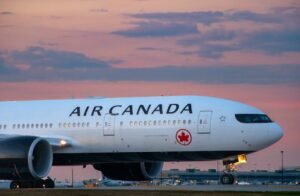
Air Canada, as the country’s largest airline, plays a pivotal role in ensuring the safety and security of its passengers. The security check process is a critical component of air travel, designed to protect travelers from potential threats. Understanding Air Canada’s security check requirements is essential for a smooth travel experience.
These requirements are influenced by regulations set forth by Transport Canada and the Canadian Air Transport Security Authority (CATSA), which work in tandem with international standards to maintain a high level of safety in aviation. When preparing for a flight with Air Canada, passengers must familiarize themselves with the various security protocols that will be enforced at the airport. This includes understanding what items are permissible in carry-on luggage, the restrictions on liquids and gels, and the procedures for screening electronic devices.
By being informed about these requirements, travelers can avoid delays and ensure compliance, ultimately contributing to a more efficient boarding process.
Key Takeaways
- Air Canada has specific security check requirements that passengers must adhere to in order to ensure a smooth and safe travel experience.
- The TSA PreCheck program allows eligible passengers to enjoy expedited security screening at participating airports, making the process more efficient and convenient.
- Certain items are prohibited in carry-on luggage, including sharp objects, firearms, and flammable materials, so it’s important to review the list before packing.
- Restrictions on liquids, gels, and aerosols in carry-on luggage are in place to enhance security measures, with specific guidelines for container sizes and packaging.
- Electronic devices are subject to security screening, and passengers may be asked to power them on to demonstrate functionality.
Understanding the TSA PreCheck Program
The TSA PreCheck program is an expedited security screening initiative designed to enhance the travel experience for frequent flyers and those who meet specific eligibility criteria. While primarily associated with U.S. travel, it has implications for international travelers flying with Air Canada, especially those connecting through U.S.
airports. Passengers enrolled in TSA PreCheck enjoy several benefits, including shorter lines and less invasive screening procedures. For Air Canada passengers, the TSA PreCheck program allows for a more streamlined experience when traveling to or from the United States.
Eligible travelers can keep on their shoes, belts, and light jackets during screening, and they can also leave laptops and compliant liquids in their bags. This not only saves time but also reduces the stress often associated with airport security checks. To participate in this program, travelers must apply online, undergo a background check, and pay a fee, after which they receive a Known Traveler Number (KTN) that must be included in their flight reservations.
Prohibited Items in Carry-On Luggage
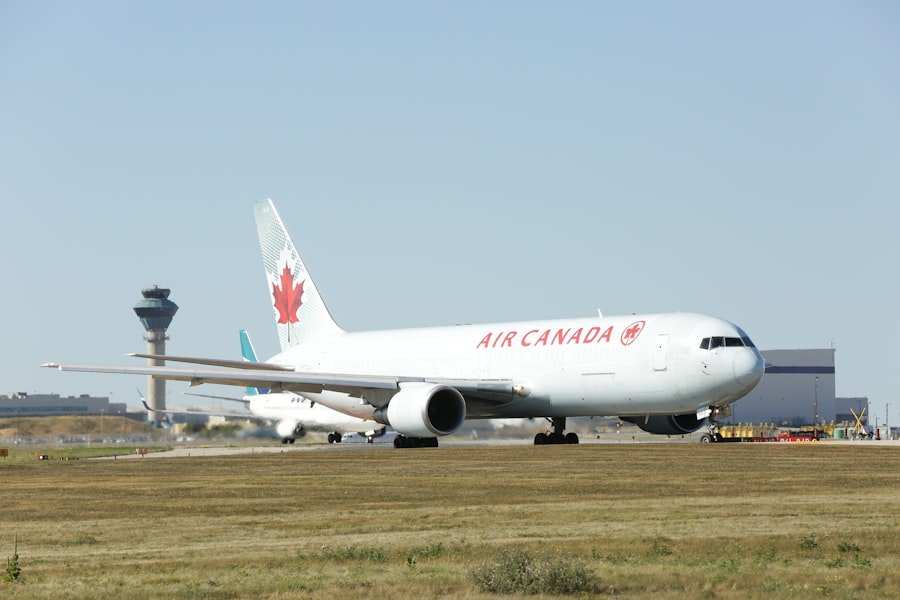
Air Canada adheres to strict guidelines regarding prohibited items in carry-on luggage, which are designed to ensure passenger safety during flights. These restrictions align with international aviation security standards and include a range of items that could pose a threat to aircraft safety or passenger well-being. Commonly prohibited items include sharp objects such as knives and scissors, sporting goods like baseball bats and golf clubs, and any item that could be used as a weapon.
Additionally, items that are considered hazardous materials are also banned from carry-on luggage. This includes flammable substances, explosives, and toxic chemicals. Passengers should be aware that even seemingly innocuous items can fall under these restrictions; for example, certain types of tools or self-defense sprays may be prohibited.
It is advisable for travelers to review Air Canada’s official website or consult with airport security personnel if they have questions about specific items before packing.
Liquids, Gels, and Aerosols Restrictions
| Restriction Type | Allowed Amount | Carry-on | Checked |
|---|---|---|---|
| Liquids | 3.4 ounces (100 milliliters) or less per item | Yes | Yes |
| Gels | 3.4 ounces (100 milliliters) or less per item | Yes | Yes |
| Aerosols | 3.4 ounces (100 milliliters) or less per item | Yes | Yes |
One of the most well-known aspects of airport security is the regulation surrounding liquids, gels, and aerosols in carry-on luggage. Air Canada follows the 3-1-1 rule established by international aviation authorities: passengers are allowed to bring liquids in containers of 100 milliliters (3.4 ounces) or less, all of which must fit into a single quart-sized clear plastic bag. This rule applies to all liquids, including beverages, creams, lotions, and gels.
Travelers should be mindful that this restriction extends to items such as shampoo and conditioner, as well as any liquid medications they may need during their journey. While prescription medications are permitted in larger quantities if necessary, they must be declared at the security checkpoint. It is advisable for passengers to keep these items easily accessible within their carry-on luggage to facilitate a smoother screening process.
Additionally, travelers should consider purchasing travel-sized containers or transferring products into compliant bottles to avoid any issues at security.
Electronic Devices and Security Screening
The presence of electronic devices has become ubiquitous in modern air travel, but they also present unique challenges during security screening. Air Canada requires passengers to remove larger electronic devices such as laptops and tablets from their bags during the screening process. These devices must be placed in separate bins for X-ray inspection to ensure they do not obstruct the view of other items in the luggage.
In recent years, there have been heightened security measures regarding electronic devices due to concerns about potential threats. Passengers may be asked to power on their devices during screening to confirm that they are functional. If a device cannot be powered on or appears suspicious in any way, it may be subject to additional scrutiny or even confiscation by security personnel.
To avoid complications, travelers should ensure that their devices are charged before arriving at the airport and should be prepared for potential additional screening if they are carrying multiple electronics.
Special Considerations for International Travel
Country-Specific Regulations
For instance, while Air Canada adheres to Canadian regulations, travelers flying to or from destinations in Europe or Asia may encounter different rules regarding liquids or electronic devices.
Compliance with Multiple Regulations
Moreover, when connecting through U.S. airports, international travelers must comply with TSA regulations as well as those of their destination country. This dual compliance can lead to confusion if passengers are not adequately informed about the specific requirements for each leg of their journey.
Pre-Flight Research is Key
It is crucial for international travelers to research the security protocols of both their departure and arrival airports ahead of time to ensure they are prepared for any additional checks or restrictions that may apply.
Security Screening for Children and Families
Traveling with children can present unique challenges during the security screening process at airports. Air Canada recognizes these challenges and has established guidelines to facilitate smoother experiences for families traveling with young children. Children under the age of 18 are generally allowed to pass through security checkpoints without removing their shoes or light jackets; however, parents should be prepared for additional screening if necessary.
Parents should also be aware that while baby food and formula are exempt from liquid restrictions, they must be declared at the security checkpoint for inspection. Additionally, strollers and car seats may need to undergo separate screening processes; however, families can often keep these items until they reach the boarding area. To minimize stress during this process, it is advisable for families to arrive at the airport early and prepare children for what to expect during security checks.
Assistance for Passengers with Disabilities
Air Canada is committed to providing assistance for passengers with disabilities throughout the travel experience, including during security checks. The airline offers various services designed to accommodate individuals with mobility challenges or other disabilities that may affect their ability to navigate airport security procedures effectively. Passengers requiring assistance should notify Air Canada at least 48 hours before their flight to ensure appropriate arrangements can be made.
At security checkpoints, passengers with disabilities may be eligible for alternative screening methods that take into account their specific needs. For example, individuals who use wheelchairs may not need to undergo standard metal detector screenings but instead may be screened using alternative methods such as hand-held metal detectors or pat-downs by trained personnel. It is essential for passengers with disabilities to communicate their needs clearly to both airline staff and security personnel to ensure a smooth experience.
Tips for Streamlining the Security Check Process
To enhance the efficiency of the security check process when flying with Air Canada, travelers can adopt several strategies that help minimize delays and streamline their experience at the airport. First and foremost, arriving early is crucial; it is recommended that passengers arrive at least two hours before domestic flights and three hours before international flights to allow ample time for check-in and security procedures. Additionally, organizing carry-on luggage thoughtfully can significantly expedite the screening process.
Placing liquids in an easily accessible location within the bag and ensuring that electronic devices are readily available can help reduce wait times at security checkpoints. Travelers should also consider wearing easily removable shoes and clothing without excessive metal embellishments to facilitate quicker passage through metal detectors.
Consequences of Non-Compliance with Security Check Requirements
Failing to comply with Air Canada’s security check requirements can lead to serious consequences for travelers. Non-compliance may result in delays at security checkpoints as personnel address any issues related to prohibited items or improper documentation. In some cases, passengers may face fines or penalties if they attempt to bring restricted items onto an aircraft.
Moreover, repeated violations of security protocols can lead to increased scrutiny during future travels or even being banned from flying with certain airlines altogether. It is essential for travelers to take these requirements seriously and ensure they are fully informed about what is permissible before arriving at the airport.
Ensuring a Smooth and Safe Travel Experience with Air Canada
Navigating airport security checks can be daunting; however, understanding Air Canada’s requirements and preparing accordingly can significantly enhance the travel experience. By familiarizing themselves with prohibited items, liquid restrictions, and special considerations for families or individuals with disabilities, passengers can ensure compliance and contribute to a safer flying environment for everyone involved. With careful planning and awareness of these protocols, travelers can focus on enjoying their journey rather than worrying about potential complications at security checkpoints.
Air Canada has recently implemented innovative safety measures to ensure the well-being of passengers during their flights. In addition to these measures, the airline has also introduced a new safety video for 2025, which aims to educate passengers on the importance of following security protocols. For more information on Air Canada’s commitment to safety, check out this related article: Air Canada’s Innovative Safety Video for 2025.
FAQs
What are the security check requirements for Air Canada?
All passengers traveling with Air Canada are required to undergo security checks before boarding their flight. This includes passing through airport security screening, which may include metal detectors, X-ray machines, and physical pat-downs.
What items are prohibited from being carried through security for Air Canada flights?
Prohibited items for Air Canada flights include weapons, explosives, flammable items, and other dangerous goods. Additionally, certain liquids, gels, and aerosols are subject to the 3-1-1 rule, which limits the amount and size of these items that can be carried in carry-on luggage.
Are there any specific requirements for carry-on luggage for Air Canada flights?
Air Canada has specific requirements for carry-on luggage, including size and weight restrictions. Passengers are also required to remove certain items from their carry-on luggage during the security screening process, such as laptops and liquids.
What are the procedures for passing through security for Air Canada flights?
Passengers are required to present their boarding pass and government-issued photo identification at the security checkpoint. They may also be required to remove certain items from their carry-on luggage and pass through metal detectors or X-ray machines.
Are there any additional security measures for international flights with Air Canada?
For international flights, passengers may be subject to additional security measures, such as passport checks and customs inspections. Additionally, certain countries may have specific security requirements for inbound and outbound flights.