When planning a family trip, the first step is often preparing for the flight. This process begins well before you arrive at the airport. One of the most crucial aspects of preparation is to ensure that all travel documents are in order.
For families traveling internationally, this means checking passports for validity and ensuring that any necessary visas are obtained. It’s also wise to have copies of important documents, such as birth certificates for children, especially if they are flying without both parents. This can help avoid any complications at check-in or during security checks.
In addition to documentation, it’s essential to discuss the flight with your children ahead of time. Depending on their age, children may have different levels of understanding and excitement about flying. For younger kids, explaining what to expect can alleviate anxiety.
You might describe the process of boarding, taking off, and landing in simple terms. For older children, sharing fun facts about the destination or the airplane itself can spark their interest and make them feel more involved in the journey. Engaging them in the planning process can also help them feel more excited and less apprehensive about the upcoming adventure.
Key Takeaways
- Preparing for the flight: Arrive at the airport early to avoid rushing and ensure a smooth check-in process.
- Packing essentials for kids: Pack snacks, toys, and comfort items to keep kids entertained and comfortable during the flight.
- Choosing the right seats: Select seats in advance to ensure the best location for your family, such as near the front for quicker disembarkation.
- Entertaining kids during the flight: Bring books, games, and electronic devices to keep kids occupied during the flight.
- Keeping kids comfortable: Dress kids in layers and bring travel pillows and blankets for added comfort during the flight.
Packing Essentials for Kids
Packing for kids requires a thoughtful approach to ensure that you have everything necessary for a smooth journey. Start by creating a checklist tailored to your children’s needs. Essentials include clothing appropriate for the destination’s climate, but also consider layering options for varying temperatures on the plane.
A light jacket or sweater is often a good idea, as airplanes can be chilly. Additionally, packing an extra outfit in your carry-on can be a lifesaver in case of spills or accidents. Beyond clothing, entertainment items are crucial for keeping kids occupied during the flight.
Tablets loaded with games, movies, or e-books can be invaluable, but it’s also wise to bring along some traditional forms of entertainment like coloring books, puzzles, or travel-sized board games. Don’t forget comfort items such as a favorite stuffed animal or blanket, which can provide reassurance during the flight. Snacks are another essential; packing a variety of healthy options can help stave off hunger and keep energy levels up without resorting to sugary treats that might lead to a crash.
Choosing the Right Seats
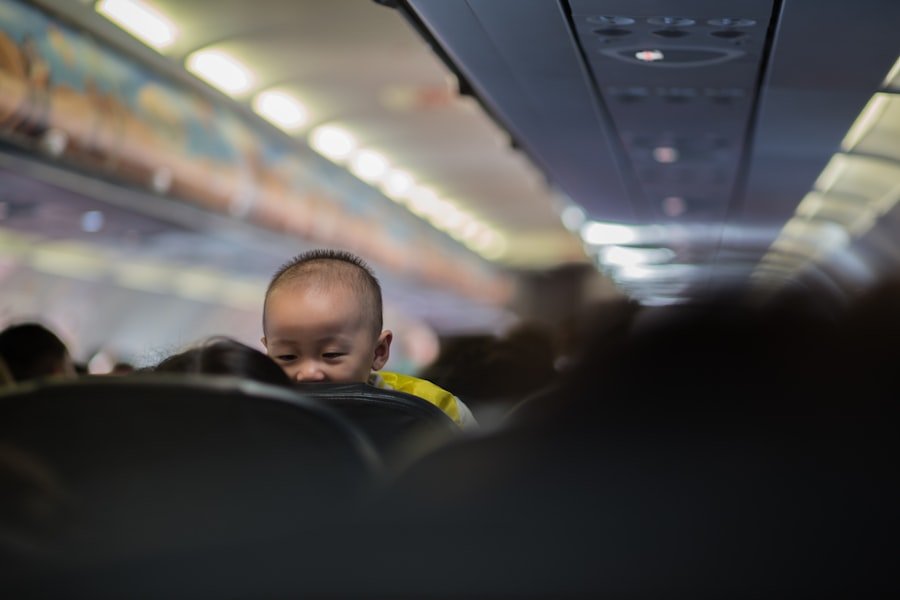
Selecting the right seats on an airplane can significantly impact your family’s travel experience. When booking your tickets, consider choosing seats that are together, as this will make it easier to manage your children during the flight. Many airlines allow you to select your seats during the booking process, so take advantage of this feature.
If you’re traveling with infants or toddlers, consider reserving bulkhead seats, which often provide extra legroom and space for a bassinet. Another factor to consider is proximity to the wings of the plane. Seats located over the wings tend to experience less turbulence, which can be beneficial for children who may be sensitive to motion sickness.
Additionally, being closer to the front of the plane can make boarding and deplaning easier, especially with young children in tow. If your flight is long-haul, consider whether you want to be near the restrooms for convenience or further away for less foot traffic.
Entertaining Kids During the Flight
| Activity | Rating |
|---|---|
| Coloring Book | 4.5/5 |
| Storytelling | 4/5 |
| Interactive Games | 4/5 |
| Tablet with Kids Apps | 5/5 |
| Snacks | 4.5/5 |
Keeping children entertained during a flight can be one of the biggest challenges parents face. While electronic devices are a popular choice, it’s important to have a variety of activities on hand to cater to different interests and attention spans. For instance, interactive games that require minimal setup can be great for short attention spans.
Simple card games or travel bingo can engage kids without needing screens. In addition to games and movies, storytelling can be an excellent way to pass the time. Encourage your children to create their own stories or take turns telling tales based on prompts you provide.
This not only entertains them but also stimulates their creativity and imagination. If your children enjoy drawing or writing, consider bringing along a small notebook where they can sketch their surroundings or jot down their thoughts about the trip. Engaging them in conversations about what they see outside the window can also make the flight feel more interactive and enjoyable.
Keeping Kids Comfortable
Comfort is key when flying with children, as it can greatly influence their mood and behavior during the journey. Start by dressing them in comfortable clothing that allows for movement and is suitable for varying temperatures. Soft fabrics and layers are ideal since they can be adjusted according to how warm or cool they feel on the plane.
Another aspect of comfort is ensuring that children have adequate support while seated. Travel pillows designed for kids can help them rest more easily during the flight. Additionally, consider bringing along a small blanket or shawl that they can use if they feel cold or want something familiar from home.
Hydration is also essential; encourage your kids to drink water throughout the flight to stay hydrated and help combat dry cabin air.
Managing Mealtime
Managing mealtime during a flight requires some planning to ensure that your children eat well without too much fuss. Many airlines offer meal options for children, but these may not always align with your child’s preferences or dietary restrictions. Therefore, it’s often best to pack your own snacks and meals when possible.
Opt for non-perishable items that are easy to eat and won’t create a mess—think granola bars, fruit slices, cheese sticks, or crackers. Timing is another important consideration when it comes to mealtime on flights. If you know your flight coincides with regular meal times, plan accordingly by bringing enough food to keep everyone satisfied until you reach your destination.
It’s also helpful to have some treats on hand as rewards for good behavior during the flight; this can motivate kids to stay calm and patient while waiting for meals or snacks.
Making Use of Air Canada’s Family-Friendly Services
Air Canada offers several family-friendly services designed to make traveling with children easier and more enjoyable. One notable feature is their priority boarding for families with young children, allowing you to settle in without feeling rushed or stressed by other passengers boarding at the same time. This extra time can be invaluable when managing multiple bags and ensuring that everyone is comfortable before takeoff.
Additionally, Air Canada provides special meals for children upon request, which can help alleviate concerns about what your kids will eat during the flight. The airline also offers in-flight entertainment options tailored specifically for younger audiences, including movies and shows suitable for various age groups. Utilizing these services not only enhances your travel experience but also allows you to focus more on enjoying time with your family rather than worrying about logistics.
Dealing with Jet Lag
Jet lag is a common issue when traveling across time zones, particularly for children whose internal clocks may be more sensitive than adults’. To mitigate its effects, start adjusting your children’s sleep schedule a few days before departure by gradually shifting their bedtime closer to that of your destination’s time zone. This gradual adjustment can help ease them into the new schedule once you arrive.
Once on board, encourage your kids to sleep during the flight if it aligns with their destination’s time zone. Bringing along sleep masks and earplugs can create a more conducive environment for rest. Upon arrival, try to keep them awake until a reasonable local bedtime; this will help reset their internal clocks more quickly.
Engaging them in light activities upon arrival can also help stave off fatigue while allowing them to acclimate to their new surroundings.
Navigating Airport Security with Kids
Navigating airport security with children can be daunting, but preparation can make this process smoother and less stressful. Before arriving at security checkpoints, remind your kids about what to expect: removing shoes, belts, and jackets; placing items in bins; and walking through metal detectors. Familiarizing them with these steps can reduce anxiety and confusion when it’s time to go through security.
It’s also helpful to pack carry-on bags strategically so that essential items are easily accessible during security checks. Keep electronics and liquids at the top of bags so they can be quickly removed when needed. If traveling with infants or toddlers, be aware that strollers and car seats may need to be screened separately; having these items ready will expedite the process.
Lastly, maintaining a calm demeanor will help set a positive tone for your children as they navigate this sometimes overwhelming experience.
Handling In-Flight Emergencies
In-flight emergencies can range from minor issues like spills or tantrums to more serious situations such as sudden illness or injury. Being prepared for these scenarios is crucial when traveling with kids. Start by packing a small first-aid kit that includes band-aids, antiseptic wipes, pain relievers suitable for children, and any necessary medications your child may need during the flight.
If an emergency arises—whether it’s a child feeling unwell or needing immediate attention—remain calm and assess the situation quickly. For minor issues like spills or messes, having extra napkins or wipes on hand can help manage these situations efficiently without drawing too much attention from other passengers. In cases where medical assistance is required, inform a flight attendant immediately; they are trained to handle emergencies and will know how best to assist you.
Making the Most of Layovers
Layovers can often feel like an inconvenience when traveling with kids; however, they also present opportunities for exploration and relaxation if managed well. If you have a long layover at an airport known for its amenities—such as play areas or family lounges—take advantage of these facilities to let your children stretch their legs and burn off some energy before boarding the next flight. Planning ahead is key when it comes to layovers; research what amenities are available at your layover airport so you know where to go once you arrive.
If time permits and you’re in a city with attractions nearby, consider leaving the airport for a quick excursion—many airports offer shuttle services that make this feasible within a few hours. Engaging in activities during layovers not only breaks up long travel days but also creates memorable experiences that enhance your overall trip.
If you’re planning on flying with kids on Air Canada, be sure to check out this helpful article on ensuring flight reliability. This article provides tips and advice on how to make sure your flight goes smoothly and your kids are comfortable throughout the journey. Additionally, if you’re interested in upgrading your experience, you may want to read this review on Air Canada’s premium economy or learn more about the luxury experience it offers in this article on Air Canada premium economy.
FAQs
1. What are the age restrictions for infants and children flying with Air Canada?
Infants under 2 years old can travel on an adult’s lap for a fee, or in their own seat with an approved child restraint system. Children aged 2-11 must have their own seat and can use a child restraint system or a CARES harness.
2. What services does Air Canada offer to make flying with kids easier?
Air Canada provides priority boarding for families with young children, as well as pre-boarding for families with strollers or car seats. They also offer special meals for children and a variety of in-flight entertainment options.
3. Are there any restrictions on what baby items can be brought on board?
Passengers are allowed to bring a stroller and a car seat for each child at no extra charge. Additionally, diaper bags and baby food/formula are exempt from the usual carry-on liquid restrictions.
4. What tips does Air Canada offer for keeping kids entertained during the flight?
Air Canada suggests bringing a variety of activities such as coloring books, small toys, and electronic devices loaded with games and movies. They also recommend taking advantage of the in-flight entertainment options.
5. Are there any specific safety guidelines for flying with children on Air Canada?
Parents are encouraged to ensure that their child’s restraint system is approved for use on the aircraft, and to follow all safety instructions provided by the flight crew. Children should also be securely fastened in their seatbelt during takeoff, landing, and whenever the seatbelt sign is illuminated.