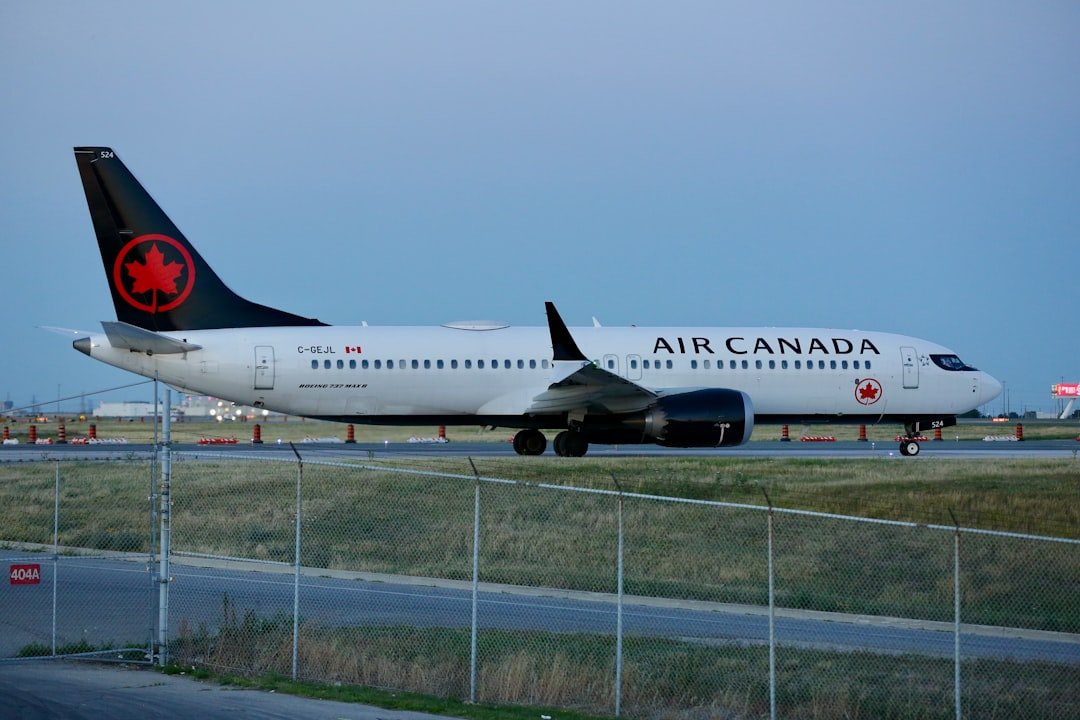
Air Canada, as the country’s largest airline, plays a pivotal role in facilitating both domestic and international travel for millions of passengers each year. A critical aspect of this process is the travel document check, which ensures that all travelers possess the necessary documentation to board their flights. This procedure is not merely a formality; it serves as a safeguard for both the airline and its passengers, ensuring compliance with various legal and regulatory requirements.
The travel document check encompasses a range of documents, including passports, visas, and other identification forms, which vary depending on the destination and the traveler’s nationality. Understanding the intricacies of Air Canada’s travel document check is essential for anyone planning to fly with the airline. The process can be complex, especially for international travelers who must navigate a myriad of regulations and requirements.
By familiarizing oneself with the necessary documentation and the procedures involved, passengers can avoid potential pitfalls that could lead to delays or even denied boarding. This article delves into the various types of travel documents accepted by Air Canada, the specific requirements for both international and domestic travel, and practical tips to ensure a smooth experience during the document check process.
Key Takeaways
- Air Canada requires all passengers to undergo a travel document check before boarding.
- Accepted travel documents include passports, visas, permanent resident cards, and NEXUS cards.
- International travelers must ensure their documents are valid for at least 6 months beyond the date of their return.
- Domestic travelers must have government-issued photo identification, such as a driver’s license or passport.
- To ensure a smooth document check process, passengers should double-check their documents before arriving at the airport.
Types of Travel Documents Accepted by Air Canada
Air Canada accepts a variety of travel documents, each serving a specific purpose depending on the traveler’s destination and citizenship. The most commonly required document is a valid passport, which is essential for international travel. Passports must be issued by a recognized government authority and should remain valid for at least six months beyond the intended date of return.
This requirement is particularly important for travelers heading to countries that enforce strict entry regulations. In addition to passports, travelers may also need visas, which are official endorsements placed in passports that grant permission to enter a specific country. The necessity of a visa depends on the traveler’s nationality and the destination country’s entry requirements.
For instance, citizens of certain countries may require a visa to enter Canada, while others may be exempt. Furthermore, Air Canada recognizes other forms of identification for domestic flights, such as provincial driver’s licenses or government-issued ID cards. It is crucial for passengers to verify which documents are acceptable for their specific itinerary to avoid any last-minute complications.
Requirements for International Travel

When traveling internationally with Air Canada, passengers must adhere to stringent requirements regarding their travel documents. First and foremost, a valid passport is mandatory for all international flights. The passport must not only be current but also meet the validity criteria set by the destination country.
Many countries require that passports be valid for at least six months beyond the date of entry; thus, travelers should check their passport’s expiration date well in advance of their trip. In addition to a passport, travelers may need to present a visa depending on their nationality and destination. For example, travelers from countries that are not part of the Visa Waiver Program will need to secure a visa before traveling to Canada.
Moreover, some destinations may require additional documentation such as proof of onward travel or sufficient funds for the duration of the stay. It is advisable for passengers to consult Air Canada’s website or contact customer service for detailed information regarding specific entry requirements for their destination.
Requirements for Domestic Travel
| Requirement | Description |
|---|---|
| Proof of Vaccination | Travelers may need to show proof of COVID-19 vaccination for domestic travel. |
| COVID-19 Test | Some destinations may require a negative COVID-19 test result before travel. |
| Mask Mandate | Mask wearing may be mandatory in airports, airplanes, and other transportation hubs. |
| Travel Restrictions | Check for any travel restrictions or quarantine requirements at your destination. |
Traveling within Canada presents its own set of requirements, albeit generally less stringent than those for international flights. For domestic flights operated by Air Canada, passengers are required to present valid identification at the time of check-in and boarding. Acceptable forms of ID include government-issued photo identification such as a driver’s license or a passport.
It is important to note that while a passport is not mandatory for domestic flights, it can serve as an acceptable form of identification. In addition to identification, travelers should be aware of any specific requirements related to their flight itinerary. For instance, if traveling with children or minors, additional documentation may be necessary to confirm guardianship or consent from parents not accompanying the child.
Furthermore, passengers should ensure that their identification matches the name on their flight reservation to avoid any discrepancies that could lead to boarding issues.
Tips for Ensuring Smooth Document Check Process
To facilitate a seamless travel document check process with Air Canada, passengers can take several proactive steps. First and foremost, it is advisable to prepare all necessary documents well in advance of the travel date. This includes checking the validity of passports and ensuring that any required visas are obtained prior to departure.
Keeping these documents organized in a dedicated travel wallet can help streamline the check-in process. Another useful tip is to arrive at the airport early. Air Canada recommends arriving at least three hours before an international flight and two hours before a domestic flight.
This allows ample time for check-in, security screening, and any potential issues that may arise during the document check process. Additionally, travelers should familiarize themselves with Air Canada’s online check-in options, which can expedite the process and reduce wait times at the airport.
Consequences of Inadequate or Invalid Travel Documents

Failing to present adequate or valid travel documents can have serious consequences for passengers traveling with Air Canada. In many cases, individuals may be denied boarding altogether if they do not possess the required documentation. This can lead to significant disruptions in travel plans, including missed connections and additional costs associated with rebooking flights or accommodations.
Moreover, inadequate documentation can result in legal ramifications depending on the destination country’s immigration laws. Travelers may face fines or even deportation if they attempt to enter a country without proper authorization. It is crucial for passengers to understand that they bear full responsibility for ensuring they have all necessary documents before embarking on their journey.
How to Replace Lost or Stolen Travel Documents
Losing or having travel documents stolen can be a distressing experience for any traveler. However, there are established procedures in place to help individuals replace lost or stolen passports and other essential documents while traveling with Air Canada. The first step is to report the loss or theft to local authorities as soon as possible.
This not only helps in recovering the document but also provides an official record that may be required when applying for replacements. For passports, travelers should contact their country’s embassy or consulate in the area where they are located. Many embassies offer expedited services for replacing lost or stolen passports, allowing travelers to obtain new documents quickly so they can continue their journey with minimal disruption.
Additionally, it is advisable to keep copies of important documents stored separately from the originals; this can expedite the replacement process by providing necessary information such as passport numbers and issue dates.
Special Considerations for Minors and Unaccompanied Minors
Traveling with minors requires special attention to documentation requirements set forth by Air Canada and relevant authorities. For children under 18 years old traveling domestically or internationally, parents or guardians must ensure that they have appropriate identification ready at check-in and boarding. While minors do not require a passport for domestic flights within Canada, it is recommended that they carry some form of ID.
For international travel involving unaccompanied minors—children traveling without an adult—Air Canada has specific policies in place designed to ensure their safety and well-being during transit. Parents must complete an unaccompanied minor form prior to departure, detailing contact information and consent for travel. Additionally, it is advisable for parents to provide a notarized letter of consent if minors are traveling with someone other than their legal guardians.
This letter should outline permission for travel and include contact information for both parents and guardians.
Travel Document Check for Connecting Flights
Passengers with connecting flights must pay particular attention to their travel document requirements during layovers or transfers. When booking multi-leg journeys with Air Canada, it is essential to understand that each segment of the trip may have different documentation requirements based on the destination country’s regulations. For instance, if a traveler has a layover in a country that requires transit visas, they must ensure they possess these documents before arriving at that airport.
Moreover, during layovers in international airports, travelers may need to go through customs and immigration checks even if they are not leaving the airport premises. This means having all necessary travel documents readily available at all times during transit. To avoid confusion or delays during connecting flights, passengers should familiarize themselves with each leg’s requirements ahead of time and allow sufficient time between connections to accommodate any potential issues related to document checks.
Resources for Obtaining Correct Travel Documents
Navigating the complexities of obtaining correct travel documents can be daunting; however, numerous resources are available to assist travelers in this process. Government websites are often the most reliable source of information regarding passport applications and visa requirements based on nationality and destination. For instance, travelers can visit the official website of their country’s passport issuing authority or consult immigration websites specific to their destination country.
In addition to government resources, various online platforms provide comprehensive information about visa applications and entry requirements for different countries. Websites like VisaHQ or iVisa offer tools that allow travelers to input their nationality and destination to receive tailored information about necessary documentation. Furthermore, consulting with travel agencies can provide personalized assistance in navigating these requirements effectively.
Conclusion and Recap of Key Points
Air Canada’s travel document check is an essential component of ensuring safe and compliant air travel for passengers embarking on both domestic and international journeys. Understanding the types of accepted travel documents—such as passports and visas—and adhering to specific requirements can significantly enhance the travel experience while minimizing potential disruptions. By preparing adequately and being aware of special considerations for minors or unaccompanied minors, travelers can navigate this process smoothly.
In summary, being proactive about obtaining correct travel documents and familiarizing oneself with Air Canada’s policies will lead to a more enjoyable journey free from unnecessary complications related to documentation issues. Whether traveling domestically or internationally, awareness of these key points will empower passengers to embark on their adventures with confidence.
If you are interested in learning more about Air Canada’s safety measures and ensuring a safe flight experience, you may want to check out this informative article: Your Guide to a Safe Flight with Air Canada. This article provides valuable information on the airline’s safety protocols and procedures to give passengers peace of mind while traveling. Additionally, if you are looking to enhance your in-flight experience with Air Canada, you can explore their premium economy options by reading this article: Upgrade Your Flight Experience with Air Canada’s Premium Economy.
FAQs
What is the purpose of the Air Canada travel document check?
The purpose of the Air Canada travel document check is to ensure that passengers have the necessary identification and travel documents required for their journey, in compliance with international travel regulations.
What documents are typically required for the Air Canada travel document check?
Passengers are typically required to present a valid passport, visa (if applicable), and any other travel documents specified by the destination country or countries.
When does the Air Canada travel document check take place?
The travel document check typically takes place at the time of check-in, either at the airport or online. Passengers may also be required to present their travel documents at other points during their journey, such as at security checkpoints or when boarding the aircraft.
What happens if a passenger does not have the required travel documents?
If a passenger does not have the required travel documents, they may be denied boarding by Air Canada or immigration authorities. It is the responsibility of the passenger to ensure that they have the necessary documents for their journey.
Are there any specific requirements for minors during the Air Canada travel document check?
Minors traveling with Air Canada may be subject to additional document requirements, such as parental consent forms or birth certificates. It is important for passengers traveling with minors to familiarize themselves with any specific requirements for their destination.