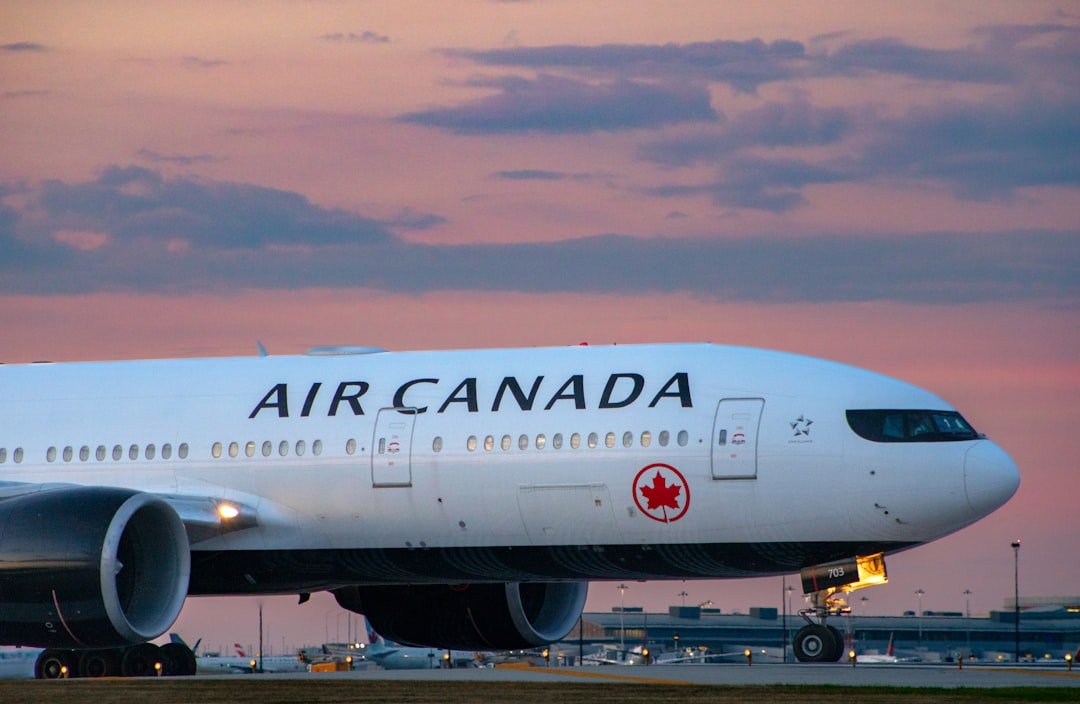
Air Canada, as the country’s flagship carrier, has established a comprehensive checked baggage policy that varies based on several factors, including the travel class, destination, and frequent flyer status. For most travelers flying within Canada or to the United States, the standard allowance typically includes one free checked bag weighing up to 23 kilograms (50 pounds). However, for international flights, the rules can differ significantly.
For instance, passengers traveling in Economy Class on international routes may be entitled to one or two checked bags, depending on the specific itinerary and fare type. It is crucial for travelers to familiarize themselves with these allowances prior to their journey to avoid unexpected fees at the airport. In addition to weight limits, Air Canada also imposes size restrictions on checked baggage.
The maximum linear dimensions (length + width + height) for a standard checked bag should not exceed 158 centimeters (62 inches). This measurement is critical for ensuring that luggage can be accommodated in the aircraft’s cargo hold. Passengers should also be aware that certain items, such as sports equipment or musical instruments, may have different allowances and regulations.
Therefore, it is advisable to check Air Canada’s official website or contact customer service for the most accurate and up-to-date information regarding checked baggage allowances.
Key Takeaways
- Air Canada’s checked baggage allowance varies depending on the fare type and destination
- Carry-on baggage restrictions include size and weight limits, as well as restrictions on liquids and sharp objects
- Special items and oversized baggage may require additional fees and have specific regulations for transport
- Excess baggage fees are charged for items that exceed the weight or size limits, and charges vary by destination
- Baggage weight and size limits are important to consider to avoid additional fees and ensure smooth travel experience
Carry-On Baggage Restrictions and Guidelines
Size and Content Restrictions
This policy is designed to maximize space in the cabin and ensure that all passengers have access to their belongings during the flight. Moreover, Air Canada enforces strict regulations regarding the contents of carry-on baggage. Passengers are prohibited from bringing liquids exceeding 100 milliliters (3.4 ounces) in their carry-on bags, and all liquids must be placed in a clear, resealable plastic bag with a capacity of no more than one liter.
Prohibited Items
Additionally, sharp objects, flammable materials, and other hazardous items are strictly forbidden. Travelers should also be mindful of electronic devices; larger items such as laptops must be removed from their bags during security screening.
A Smooth Travel Experience
Understanding these guidelines can help passengers avoid delays at security checkpoints and ensure a more pleasant travel experience. By adhering to Air Canada’s carry-on baggage policy, passengers can enjoy a hassle-free journey.
Special Items and Oversized Baggage Regulations
Travelers often have unique needs when it comes to transporting special items or oversized baggage. Air Canada has specific policies in place to accommodate such requests, but it is essential for passengers to plan ahead. For instance, items like bicycles, surfboards, and golf clubs are classified as oversized baggage and may incur additional fees.
These items typically require advance notice when booking a flight, as they may need special handling or storage arrangements. In addition to oversized items, Air Canada also has provisions for fragile or valuable items. Passengers are encouraged to pack such items securely and consider purchasing additional insurance for peace of mind during transit.
It is advisable to inform Air Canada about any special items at least 24 hours before departure to ensure that all necessary arrangements are made. By understanding these regulations and planning accordingly, travelers can avoid potential complications and ensure that their special items arrive safely at their destination.
Excess Baggage Fees and Charges
| Airline | Excess Baggage Fee | Charges |
|---|---|---|
| Delta | 150 | For bags weighing 51-70 lbs |
| United | 200 | For bags weighing 51-70 lbs |
| American Airlines | 200 | For bags weighing 51-70 lbs |
Traveling with more luggage than allowed can lead to unexpected expenses due to excess baggage fees. Air Canada’s policy on excess baggage is straightforward: if a passenger exceeds the checked baggage allowance or carries more than the permitted number of bags, they will incur additional charges. The fees vary depending on the route and the number of extra bags being checked.
For example, on domestic flights within Canada, excess baggage fees can range from CAD 100 to CAD 200 per additional bag. It is important for travelers to be aware of these potential costs when planning their trip. To avoid excess baggage fees, passengers should weigh their luggage before heading to the airport and consider packing lighter or redistributing items among fellow travelers.
Additionally, frequent flyers with elite status may enjoy waived excess baggage fees as part of their membership benefits. Understanding these charges can help travelers budget more effectively and avoid surprises at check-in.
Baggage Weight and Size Limits
Air Canada’s baggage weight and size limits are designed to ensure safety and efficiency during air travel. As previously mentioned, the standard weight limit for checked baggage is 23 kilograms (50 pounds) for most travelers; however, this limit can vary based on fare class and destination. For instance, business class passengers may be allowed two checked bags weighing up to 32 kilograms (70 pounds) each on international flights.
It is crucial for travelers to verify their specific allowance based on their ticket type. In terms of size limits, checked bags must not exceed a linear dimension of 158 centimeters (62 inches). For carry-on luggage, the maximum dimensions are 55 x 40 x 23 centimeters (21.5 x 15.5 x 9 inches).
Passengers should take care to measure their bags accurately before arriving at the airport to avoid delays or additional charges at check-in. Furthermore, it is advisable to use lightweight luggage options that maximize packing space while remaining within weight limits. By adhering to these guidelines, travelers can ensure a smoother check-in process and a more enjoyable travel experience.
Sporting Equipment and Musical Instruments Policies
Sporting Equipment
Sporting equipment such as skis, snowboards, bicycles, and golf clubs are generally accepted as checked baggage. However, due to their size and weight, additional fees may apply.
Musical Instruments
Air Canada allows passengers to bring smaller musical instruments as part of their carry-on allowance, provided they fit within the specified dimensions. Larger instruments may need to be checked in as oversized baggage or require an additional seat if they exceed carry-on limits. Musicians traveling with valuable instruments are advised to consider purchasing additional insurance coverage for added protection during transit.
Preparation is Key
By understanding these policies ahead of time, travelers can better prepare for their journey and ensure that their sporting equipment or musical instruments arrive safely at their destination.
Baggage Liability and Insurance Options
When traveling with Air Canada, it is essential for passengers to understand the airline’s liability regarding lost or damaged baggage. Under international conventions such as the Montreal Convention, airlines are liable for lost or damaged luggage up to a certain limit—approximately CAD 2,100 per passenger for international flights. However, this liability does not cover all types of damage or loss; for example, airlines are not responsible for damage caused by improper packing or wear and tear.
To mitigate potential losses, travelers may consider purchasing travel insurance that includes coverage for lost or damaged baggage. Many insurance policies offer higher coverage limits than those provided by airlines and can cover additional expenses incurred due to lost luggage, such as purchasing essential items while waiting for bags to be located. It is advisable for travelers to review their insurance options carefully and choose a policy that meets their specific needs.
Unaccompanied Minors and Pet Travel Guidelines
Air Canada has established clear guidelines for unaccompanied minors traveling alone as well as for pets traveling in the cabin or as checked baggage. For unaccompanied minors aged between 8 and 17 years old, Air Canada offers a dedicated service that includes supervision throughout the journey. Parents or guardians must complete a form detailing contact information and any special instructions before departure.
The airline charges a fee for this service, which varies based on the route. For pet travel, Air Canada allows small pets in carriers that fit under the seat in front of you on most flights within Canada and select international routes. The carrier must meet specific size requirements—typically no larger than 40 x 25 x 23 centimeters (16 x 10 x 9 inches)—and pets must be at least eight weeks old.
Larger pets may need to be transported as cargo in a designated area of the aircraft. It is essential for pet owners to familiarize themselves with Air Canada’s pet travel policies well in advance of their flight to ensure compliance with all requirements.
Lost or Damaged Baggage Procedures
In the unfortunate event that baggage is lost or damaged during travel with Air Canada, there are established procedures in place for reporting and resolving these issues. Passengers should report lost or damaged luggage immediately upon arrival at their destination by visiting the airline’s baggage service desk at the airport. It is crucial to file a report within a specific timeframe—usually within 21 days for lost luggage—to initiate a claim.
Once a report is filed, Air Canada will provide passengers with a reference number that can be used to track the status of their claim online or through customer service channels. The airline typically conducts an investigation into lost luggage claims and will make efforts to locate missing bags as quickly as possible. If luggage cannot be found within a reasonable timeframe, passengers may be eligible for compensation based on the airline’s liability policies.
Connecting Flights and Baggage Transfer Information
Travelers with connecting flights on Air Canada should be aware of how baggage transfer works between flights, especially when traveling internationally or through multiple carriers. In most cases, if both flights are operated by Air Canada or its partner airlines within the Star Alliance network, checked baggage will be automatically transferred between flights without requiring passengers to retrieve it during layovers. However, if travelers are connecting between different airlines that do not have an interline agreement or if they have booked separate tickets, they may need to collect their baggage at the layover airport and recheck it for the next flight.
It is advisable for passengers with connecting flights to allow ample time between connections—ideally two hours for international flights—to account for potential delays in baggage handling or security checks.
Tips for Maximizing Baggage Allowance and Avoiding Fees
To make the most of Air Canada’s baggage allowance while minimizing fees, travelers can employ several strategies when packing for their journey. First and foremost, it is essential to weigh luggage before heading to the airport; this helps ensure compliance with weight limits and avoids surprises at check-in. Using lightweight luggage can also help maximize packing space without exceeding weight restrictions.
Additionally, travelers should consider utilizing every available packing space efficiently by rolling clothes instead of folding them and using packing cubes or compression bags to save space. If traveling with family or friends, sharing items such as toiletries can reduce overall luggage weight while still providing necessary essentials during the trip. Finally, frequent flyers should take advantage of loyalty programs that offer increased baggage allowances based on status levels.
By understanding Air Canada’s policies thoroughly and planning ahead, travelers can enjoy a hassle-free experience while maximizing their baggage allowance without incurring unnecessary fees.
If you are interested in learning more about Air Canada’s baggage policy, you may also want to check out this article on Air Canada Flight Report: Smooth and Comfortable Journey. This article provides a firsthand account of a passenger’s experience flying with Air Canada, including details on the check-in process, in-flight amenities, and overall comfort level. It offers valuable insights that can help you better understand what to expect when traveling with this airline.
FAQs
What is Air Canada’s baggage policy for checked baggage?
Air Canada’s baggage policy for checked baggage allows passengers to bring a certain number of bags with specific weight and size restrictions, depending on their fare type and destination. Additional fees may apply for excess or oversized baggage.
What is Air Canada’s baggage policy for carry-on baggage?
Air Canada’s baggage policy for carry-on baggage allows passengers to bring one standard carry-on bag and one personal item, such as a purse or laptop bag, with specific size and weight restrictions. These restrictions may vary depending on the fare type and destination.
What are the fees for excess baggage on Air Canada?
The fees for excess baggage on Air Canada vary depending on the passenger’s fare type, destination, and the number of additional bags. Passengers are advised to check the airline’s official website or contact customer service for specific fee information.
What is Air Canada’s policy for sports equipment and special baggage?
Air Canada has specific policies and fees for transporting sports equipment and special baggage, such as musical instruments, pets, and oversized items. Passengers are advised to review the airline’s guidelines and contact customer service for detailed information.
Are there any restrictions on the items I can pack in my checked or carry-on baggage on Air Canada?
Yes, Air Canada has restrictions on the items that passengers can pack in their checked or carry-on baggage, including prohibited items such as explosives, flammable liquids, and sharp objects. Passengers are advised to review the airline’s guidelines and contact customer service for specific restrictions.