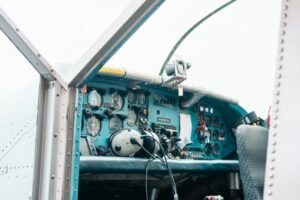
Aircraft inspection is a critical component of aviation safety, serving as a safeguard against mechanical failures and ensuring that aircraft operate within the stringent safety standards set by regulatory authorities. The aviation industry is inherently high-risk, and the consequences of neglecting proper inspection protocols can be catastrophic. Regular inspections not only help in identifying potential issues before they escalate into serious problems but also play a vital role in maintaining the overall airworthiness of an aircraft.
The importance of these inspections cannot be overstated, as they are fundamental to protecting the lives of passengers and crew members alike. Moreover, aircraft inspections contribute to the longevity and reliability of the aircraft fleet. By adhering to rigorous inspection schedules, airlines can mitigate the risk of unexpected breakdowns, which can lead to costly delays and operational disruptions.
Inspections also help airlines comply with international aviation regulations, thereby maintaining their reputation and operational licenses. In essence, thorough and systematic inspections are indispensable for ensuring that aircraft remain safe, efficient, and ready for service.
Key Takeaways
- Regular aircraft inspection is crucial for ensuring the safety and airworthiness of the aircraft.
- Air Canada follows strict inspection standards and procedures to maintain the safety and reliability of its fleet.
- The maintenance crew plays a vital role in conducting thorough and accurate aircraft inspections.
- Different types of inspections, such as routine, non-routine, and special inspections, are conducted at varying frequencies to ensure comprehensive coverage.
- The use of advanced technology, such as drones and digital inspection tools, enhances the efficiency and accuracy of aircraft inspections.
Air Canada’s Inspection Standards and Procedures
Air Canada, as one of the leading airlines in North America, adheres to stringent inspection standards and procedures that align with both national and international regulations. The airline employs a comprehensive maintenance program that encompasses various types of inspections, including pre-flight checks, routine maintenance, and more extensive periodic inspections. These procedures are designed to ensure that every aircraft in the fleet meets the highest safety standards before taking to the skies.
The airline’s inspection protocols are guided by the Canadian Aviation Regulations (CARs) and the standards set forth by the International Civil Aviation Organization (ICAO). Air Canada’s maintenance team conducts detailed inspections that cover all critical systems of the aircraft, including engines, avionics, landing gear, and structural components. Each inspection is meticulously documented, ensuring that any findings are recorded and addressed promptly.
This commitment to rigorous inspection standards not only enhances safety but also fosters a culture of accountability within the organization.
Role of Maintenance Crew in Aircraft Inspection
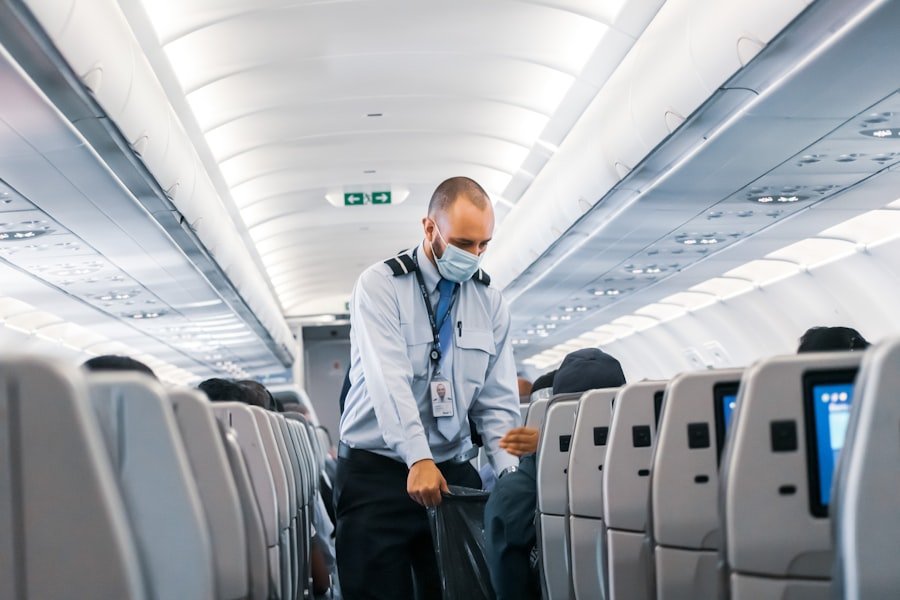
The maintenance crew plays an essential role in the aircraft inspection process, acting as the frontline defenders of aviation safety. These highly trained professionals are responsible for conducting thorough examinations of aircraft systems and components, identifying any signs of wear or potential failure. Their expertise is crucial in interpreting inspection findings and determining the necessary corrective actions to ensure airworthiness.
In addition to performing routine inspections, maintenance crews are also involved in troubleshooting issues that arise during flight operations. Their ability to diagnose problems quickly and accurately can significantly reduce downtime and enhance operational efficiency. Furthermore, maintenance personnel often collaborate with engineers and other specialists to develop solutions for complex issues, ensuring that all aspects of aircraft performance are optimized.
The synergy between maintenance crews and engineering teams is vital for maintaining high safety standards and operational reliability.
Frequency and Types of Inspections
| Inspection Type | Frequency |
|---|---|
| Regular Safety Inspections | Monthly |
| Quality Control Inspections | Weekly |
| Compliance Inspections | Quarterly |
| Annual Maintenance Inspections | Annually |
Aircraft inspections are categorized into several types based on their frequency and scope. The most common types include pre-flight inspections, daily checks, A-checks, B-checks, C-checks, and D-checks. Pre-flight inspections are conducted before each flight to ensure that the aircraft is ready for takeoff, while daily checks involve a more thorough examination of critical systems.
A-checks are typically performed every 400-600 flight hours and focus on routine maintenance tasks. B-checks occur less frequently, usually every 6-8 months, and involve more detailed inspections of various aircraft systems. C-checks are comprehensive examinations conducted approximately every 18-24 months, requiring significant downtime as they involve extensive disassembly and inspection of major components.
Finally, D-checks are the most thorough inspections, occurring every 6-10 years, where an aircraft undergoes a complete overhaul. Each type of inspection serves a specific purpose in maintaining airworthiness and ensuring that any potential issues are identified and rectified in a timely manner.
Use of Technology in Aircraft Inspection
The integration of technology into aircraft inspection processes has revolutionized how maintenance crews conduct their work. Advanced diagnostic tools and software applications enable technicians to perform more accurate assessments of aircraft systems. For instance, non-destructive testing (NDT) methods such as ultrasonic testing, radiography, and eddy current testing allow inspectors to detect structural flaws without causing damage to the aircraft.
Additionally, digital record-keeping systems streamline documentation processes, making it easier for maintenance crews to track inspection findings and maintenance history. The use of drones for visual inspections has also gained traction in recent years, allowing for quicker assessments of hard-to-reach areas on an aircraft’s exterior. These technological advancements not only enhance the efficiency of inspections but also improve the accuracy of findings, ultimately contributing to higher safety standards within the aviation industry.
Training and Qualifications of Inspection Personnel

The qualifications and training of personnel involved in aircraft inspections are paramount to ensuring safety and compliance with regulatory standards. Inspectors must possess a deep understanding of aviation regulations, aircraft systems, and maintenance practices. Typically, they are required to hold an Aircraft Maintenance Engineer (AME) license or equivalent certification, which involves rigorous training programs that cover both theoretical knowledge and practical skills.
Ongoing training is also essential in this field due to the rapid advancements in technology and changes in regulatory requirements. Many airlines, including Air Canada, invest in continuous education programs for their maintenance personnel to keep them updated on the latest industry practices and technologies. This commitment to training ensures that inspection personnel remain competent and capable of performing their duties effectively while adhering to safety protocols.
Documentation and Record-Keeping of Inspections
Accurate documentation and record-keeping are integral aspects of the aircraft inspection process. Every inspection performed must be meticulously recorded in order to maintain a comprehensive history of an aircraft’s maintenance activities. This documentation serves multiple purposes: it provides a clear audit trail for regulatory compliance, assists in tracking recurring issues, and helps inform future maintenance decisions.
Airlines utilize sophisticated software systems to manage these records efficiently. These systems allow for easy retrieval of information regarding past inspections, repairs made, and parts replaced. In addition to enhancing operational efficiency, robust documentation practices also facilitate communication between different departments within an airline, ensuring that all stakeholders have access to relevant information regarding an aircraft’s condition.
Collaboration with Regulatory Authorities
Collaboration with regulatory authorities is a cornerstone of effective aircraft inspection practices. Airlines must work closely with organizations such as Transport Canada and the Federal Aviation Administration (FAA) to ensure compliance with established safety standards. This collaboration often involves regular audits and inspections conducted by regulatory bodies to verify that airlines adhere to required maintenance protocols.
Furthermore, airlines may participate in industry forums and working groups organized by regulatory authorities to discuss best practices and emerging trends in aviation safety. This collaborative approach fosters a culture of transparency within the industry while enabling airlines to stay informed about changes in regulations or new safety initiatives. By maintaining open lines of communication with regulatory authorities, airlines can enhance their inspection processes and contribute to overall aviation safety.
Response to Inspection Findings and Defects
When inspection findings reveal defects or potential issues with an aircraft, prompt action is essential to mitigate risks. Maintenance crews must follow established protocols for addressing these findings, which may involve grounding the aircraft until necessary repairs are completed or parts are replaced. The severity of the defect will dictate the response; minor issues may be resolved quickly through routine maintenance procedures, while more significant concerns may require extensive repairs or even a complete overhaul.
In addition to addressing immediate concerns, airlines must also analyze inspection findings to identify trends or recurring issues that may indicate underlying problems within their fleet or maintenance practices. This proactive approach allows airlines to implement corrective actions that enhance overall safety and reliability. By fostering a culture of accountability and responsiveness within their maintenance teams, airlines can ensure that all defects are addressed effectively and efficiently.
Continuous Improvement in Inspection Processes
Continuous improvement is a fundamental principle in aviation maintenance practices, particularly concerning aircraft inspections. Airlines must regularly evaluate their inspection processes to identify areas for enhancement or optimization. This may involve adopting new technologies, refining existing procedures, or implementing feedback mechanisms that allow personnel to share insights from their experiences.
Airlines often conduct internal audits or engage third-party consultants to assess their inspection practices critically. These evaluations can uncover inefficiencies or gaps in compliance that need addressing. By fostering a culture of continuous improvement within their organizations, airlines can enhance their safety performance while also reducing operational costs associated with maintenance activities.
Ensuring Passenger Safety through Aircraft Inspection
Ultimately, the primary goal of rigorous aircraft inspection processes is to ensure passenger safety. Every aspect of an aircraft’s operation—from its engines to its navigation systems—must function flawlessly to protect those on board. By adhering to strict inspection protocols and continuously improving their practices, airlines can significantly reduce the risk of accidents caused by mechanical failures.
Moreover, transparent communication about safety measures can enhance passenger confidence in air travel. When airlines demonstrate their commitment to rigorous inspection standards through certifications or public disclosures about their safety records, they build trust with their customers. This trust is essential for maintaining a loyal customer base in an industry where safety is paramount.
Through diligent inspections and a focus on continuous improvement, airlines like Air Canada strive not only to meet regulatory requirements but also to exceed passenger expectations regarding safety and reliability in air travel.
Air Canada takes the safety of its passengers very seriously, which is evident in their thorough aircraft inspection process. According to a related article on in-flight safety, Air Canada prioritizes the maintenance and inspection of their aircraft to ensure that all safety protocols are followed. This commitment to safety is further highlighted in another article discussing the comprehensive guide to Air Canada’s in-flight safety procedures. These articles shed light on the airline’s dedication to ensuring the well-being of all passengers on board their flights.
FAQs
What is the purpose of the aircraft inspection process at Air Canada?
The purpose of the aircraft inspection process at Air Canada is to ensure the safety and airworthiness of the aircraft. Inspections are conducted to identify and address any potential issues or maintenance needs to ensure the aircraft is in compliance with regulatory standards.
How often are aircraft inspections conducted at Air Canada?
Aircraft inspections at Air Canada are conducted on a regular basis according to a predetermined schedule. This includes routine checks, as well as more comprehensive inspections at specific intervals, such as during major maintenance events or after a certain number of flight hours.
Who is responsible for conducting aircraft inspections at Air Canada?
Aircraft inspections at Air Canada are conducted by licensed and trained aircraft maintenance engineers and technicians. These professionals are responsible for thoroughly inspecting the aircraft, identifying any issues, and performing necessary maintenance or repairs to ensure the aircraft’s safety and airworthiness.
What are the different types of aircraft inspections conducted at Air Canada?
Air Canada conducts various types of aircraft inspections, including routine line maintenance checks, transit checks, overnight checks, and more comprehensive A, B, C, and D checks. These inspections vary in scope and are conducted at different intervals to ensure the overall health of the aircraft.
How does Air Canada ensure compliance with regulatory standards during aircraft inspections?
Air Canada adheres to strict regulatory standards set forth by aviation authorities, such as Transport Canada and the Federal Aviation Administration (FAA). The airline ensures compliance by following approved maintenance programs, conducting thorough inspections, and documenting all maintenance activities in accordance with regulatory requirements.